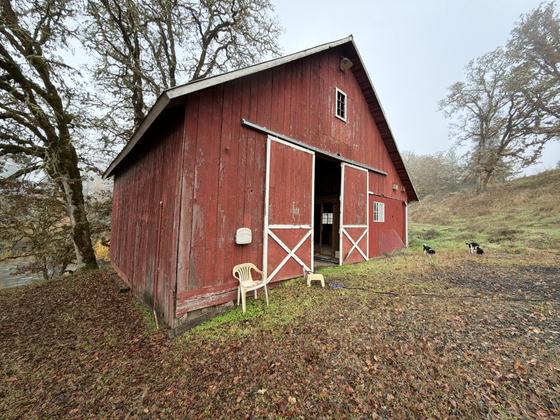
 Gable barn 5 photos
Lebanon, OR
Weathered 100-Year-Old Red Barn
About 100 years old
Make an offer Barn to move
Listed Nov 2026
Wyoming has some of the most photographed barns in America on Mormon Row, but most of its old barns sit on working cattle ranches.
No Wyoming barns are listed right now. Most barns below are sold to be taken down and moved, so buyers often look in nearby states.
Gable barn 5 photos Lebanon, OR
About 100 years old
Listed Nov 2026
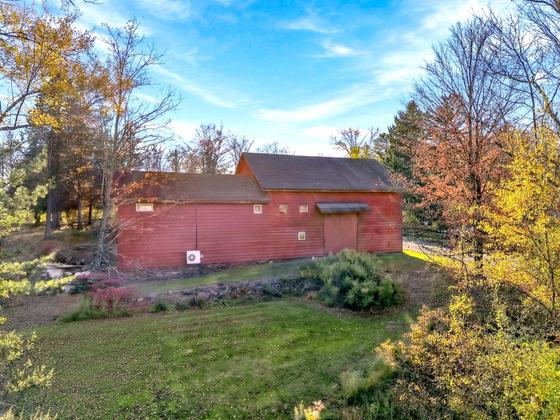 Post-and-beam barn 8 photos
Saugerties, NY
Built c. 1885 · About 3,400 sq ft
Listed Nov 2026
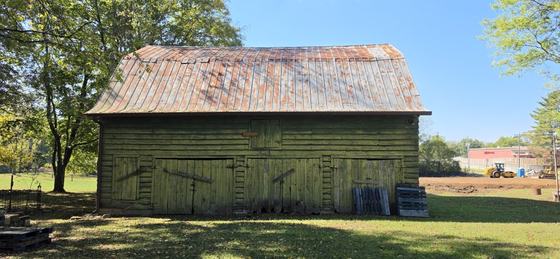 Gambrel barn 7 photos
Monteagle, TN
Listed Oct 2026
Wyoming farm real estate averaged $1,030 an acre in 2026, among the lowest in the country, because most of it is rangeland worth $770 an acre. Irrigated cropland averaged $2,080, and land in Teton County around Jackson is among the most expensive in the West.
The best-known Wyoming barns are the T.A. and John Moulton barns on Mormon Row, built between 1912 and 1945 by homesteaders in what is now Grand Teton National Park. They are protected and not for sale, but they show the log and frame barns found on ranches across the state.
| Land type | Wyoming | US average |
|---|---|---|
| Farm real estate (land and buildings) | $1,030 | $4,500 |
| Cropland | $2,080 | $6,020 |
| Pasture | $770 | $2,000 |
| Change in farm real estate, 2025 to 2026 | +3% | +3.4% |
Source: USDA NASS, Land Values 2026 Summary, released July 31, 2026. Wyoming farm real estate is 77% below the US average.
Mormon Row, listed on the National Register in 1997, preserves the barns and buildings of a homestead community settled by Latter-day Saint families from Idaho in the 1890s and 1900s. The Grand Teton National Park Foundation began a $7 million effort to preserve the site in 2021.
Private ranch land in Teton County is extremely expensive, and old barns there come with high-end properties.
The foothills of the Big Horn Mountains around Sheridan, Big Horn and Buffalo have historic cattle ranches, dude ranches and polo and horse barns dating to the late 1800s and early 1900s.
Ranches sell as large units; some smaller properties carry restored barns.
Irrigation projects brought farming to the Big Horn Basin around Cody, Powell and Worland, and to Platte and Goshen counties in the southeast. Farms there have hay barns, beet and bean storage and frame barns.
Irrigated land costs more than rangeland, and water rights are key.
Our old barn inspection checklist covers the rest, and the guide to moving an old barn explains the costs if you plan to take one down and re-erect it.
Restoring a listed barn for business use may qualify for the 20% federal historic tax credit; see our barn tax credit guide.
No. The Mormon Row barns are in Grand Teton National Park, listed on the National Register and protected. Similar log and frame barns stand on private ranches elsewhere in Wyoming.
Wyoming farm real estate averaged $1,030 an acre in 2026, according to USDA, mostly rangeland. Irrigated cropland costs more, and land around Jackson far more.
The T.A. and John Moulton barns were built on neighboring homesteads between 1912 and 1945.
List your Wyoming barn on OldBarnsForSale.net for free and reach buyers looking for old barns.
List Your Barn