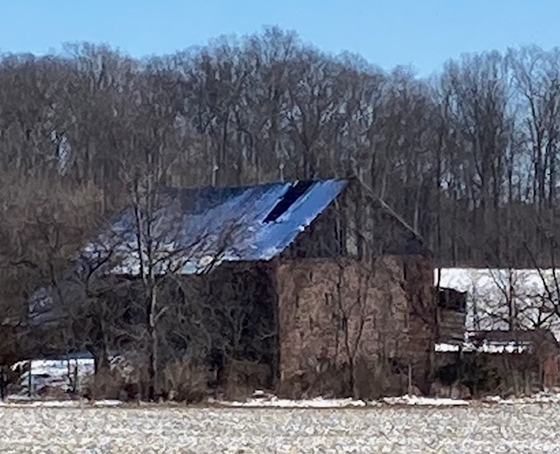
 Stone bank barn 8 photos
New Oxford, PA
1795 Stone Bank Barn with Date Stone, 38 x 68
Built 1795 · 38 ft x 68 ft
$64,000 Barn to move
Listed Mar 2026
Maryland's tobacco barns became obsolete almost overnight after the state's tobacco buyout, and its Piedmont still has stone and frame bank barns.
No Maryland barns are listed right now. Most barns below are sold to be taken down and moved, so buyers often look in nearby states.
Stone bank barn 8 photos New Oxford, PA
Built 1795 · 38 ft x 68 ft
Listed Mar 2026
Mt Pleasant Mills, PA
Listed Dec 2025
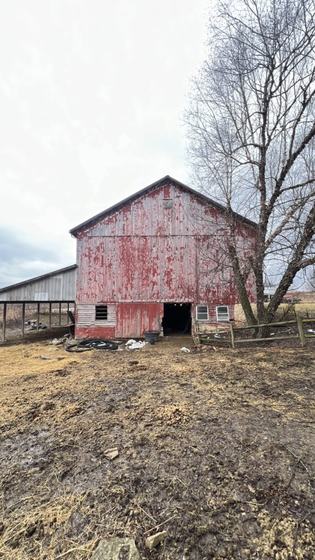 Bank barn 5 photos
Butler, PA
Built From the area's founding · 62 ft x 40 ft
Listed Apr 2025 Older listing
Maryland farm real estate averaged $9,950 an acre in 2026, more than double the US average of $4,500, and pasture averaged $8,300. Almost the whole state is within commuting distance of Washington or Baltimore, so land with an old barn is priced for homes and horse farms.
Maryland was one of the first states to buy farmland easements: the Maryland Agricultural Land Preservation Foundation (MALPF) holds more than 2,900 easements on over 390,000 acres. An eased farm stays in agriculture with limits on new houses, which lowers its price, so check for an easement before you plan any change.
| Land type | Maryland | US average |
|---|---|---|
| Farm real estate (land and buildings) | $9,950 | $4,500 |
| Cropland | $9,250 | $6,020 |
| Pasture | $8,300 | $2,000 |
| Change in farm real estate, 2025 to 2026 | +2.1% | +3.4% |
Source: USDA NASS, Land Values 2026 Summary, released July 31, 2026. Maryland farm real estate is 121% above the US average.
Calvert, Charles, St. Mary's, Prince George's and Anne Arundel counties grew air-cured Maryland tobacco for three centuries. Their tall frame barns with hinged vertical boards that open for airflow are the region's landmark.
When Maryland's tobacco buyout began in 2001, most growers agreed to stop growing tobacco, and hundreds of barns lost their use overnight. The National Trust for Historic Preservation put Southern Maryland's tobacco barns on its list of the most endangered places in 2004. Many are now offered with farms or for removal.
German settlers coming south from Pennsylvania built bank barns across the Piedmont and the Hagerstown Valley, many with stone gable ends. The farms around Sharpsburg in Washington County include barns that stood on the Antietam battlefield in 1862.
Frederick and Carroll counties have active farmland preservation and strong horse and dairy traditions; Washington County is less expensive.
The flat farms of Talbot, Queen Anne's, Kent and Caroline counties grew grain, vegetables and later poultry. Their barns are mostly frame grain and livestock barns and corn cribs, often on farms with waterfront that commands high prices.
Inland farms away from the water are the Shore's best value for land with old outbuildings.
Our old barn inspection checklist covers the rest, and the guide to moving an old barn explains the costs if you plan to take one down and re-erect it.
Restoring a listed barn for business use may qualify for the 20% federal historic tax credit; see our barn tax credit guide.
Maryland's tobacco buyout, which began in 2001, paid most growers to stop growing tobacco for good, and their barns lost their purpose. Many are now sold with farms or offered for removal.
Farms under a MALPF easement must stay in agriculture and have strict limits on new houses and lots. Read the easement and ask the county program administrator before buying.
Maryland farm real estate averaged $9,950 an acre in 2026, according to USDA. Eased farms and land in Washington County and on the inland Eastern Shore usually cost less.
List your Maryland barn on OldBarnsForSale.net for free and reach buyers looking for old barns.
List Your Barn