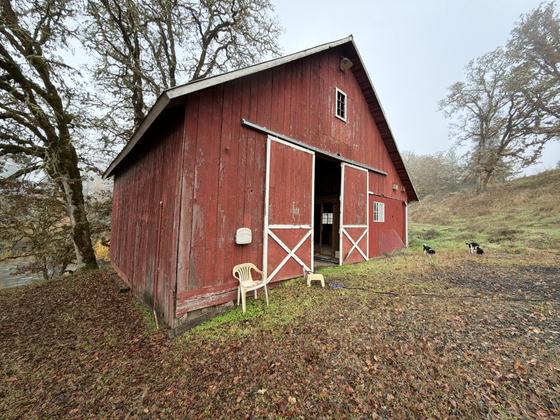
 Gable barn 5 photos
Lebanon, OR
Weathered 100-Year-Old Red Barn
About 100 years old
Make an offer Barn to move
Listed Nov 2026
Montana's old barns range from log barns in the western valleys to abandoned homestead barns on the plains.
No Montana barns are listed right now. Most barns below are sold to be taken down and moved, so buyers often look in nearby states.
Gable barn 5 photos Lebanon, OR
About 100 years old
Listed Nov 2026
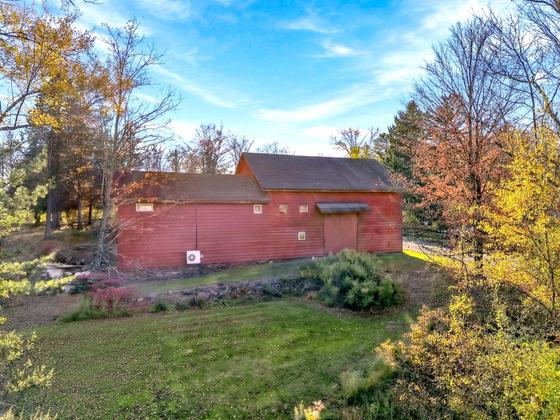 Post-and-beam barn 8 photos
Saugerties, NY
Built c. 1885 · About 3,400 sq ft
Listed Nov 2026
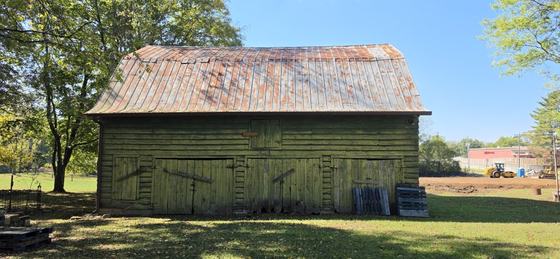 Gambrel barn 7 photos
Monteagle, TN
Listed Oct 2026
Montana farm real estate averaged only $1,260 an acre in 2026, among the lowest in the country, because most of it is dryland wheat and grazing land. Land in the western valleys around Bozeman, Missoula and the Flathead costs many times that.
A homestead boom after the Enlarged Homestead Act of 1909 filled the plains with small farms, and drought in the late 1910s and 1920s drove many settlers out. Their abandoned barns still stand across central and eastern Montana. The Montana Preservation Alliance and the Montana Historical Society documented the state's barns in the book Hand Raised: The Barns of Montana.
| Land type | Montana | US average |
|---|---|---|
| Farm real estate (land and buildings) | $1,260 | $4,500 |
| Cropland | $1,350 | $6,020 |
| Pasture | $940 | $2,000 |
| Change in farm real estate, 2025 to 2026 | +2.4% | +3.4% |
Source: USDA NASS, Land Values 2026 Summary, released July 31, 2026. Montana farm real estate is 72% below the US average.
The Bitterroot, Flathead, Gallatin and Missoula valleys were settled earliest, and their farms have log barns, big gambrel dairy and hay barns, and timber-frame barns.
Rapid growth and second-home demand have made these valleys expensive, and many old barns now sit on small acreages or are restored as part of country homes.
Fergus, Judith Basin, Hill, Blaine and Chouteau counties filled with homesteaders around 1910. Many left in the drought years, and their small barns, sheds and houses stand abandoned on what are now large wheat farms.
These barns are rarely advertised; owners of the surrounding farms may sell or give them away for salvage.
The ranches of Custer, Powder River, Rosebud and Carter counties have log and frame barns, horse barns and sheds at their headquarters.
Ranches sell as large working units, often with grazing leases, and the barns come with the headquarters.
Our old barn inspection checklist covers the rest, and the guide to moving an old barn explains the costs if you plan to take one down and re-erect it.
Restoring a listed barn for business use may qualify for the 20% federal historic tax credit; see our barn tax credit guide.
A homestead boom after 1909 put small farms across the plains, and drought in the late 1910s and 1920s drove many settlers away. Their barns still stand on land now farmed as large wheat operations.
Montana farm real estate averaged $1,260 an acre in 2026, according to USDA, but land in the western valleys near Bozeman, Missoula and the Flathead costs far more.
Yes. Hand Raised: The Barns of Montana, produced by the Montana Preservation Alliance with the Montana Historical Society, documents barns across the state.
List your Montana barn on OldBarnsForSale.net for free and reach buyers looking for old barns.
List Your Barn