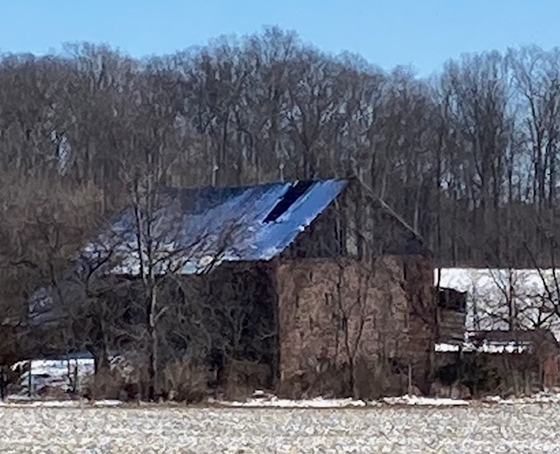
 Stone bank barn 8 photos
New Oxford, PA
1795 Stone Bank Barn with Date Stone, 38 x 68
Built 1795 · 38 ft x 68 ft
$64,000 Barn to move
Listed Mar 2026
Pennsylvania gave America the bank barn, and more of them stand here than anywhere else, from stone barns in Lancaster County to frame barns in the west.
Barns posted by their owners, newest first. Most are sold to be taken down and moved. Click a barn for its photos, size, age and the seller's terms.
Stone bank barn 8 photos New Oxford, PA
Built 1795 · 38 ft x 68 ft
Listed Mar 2026
Mt Pleasant Mills, PA
Listed Dec 2025
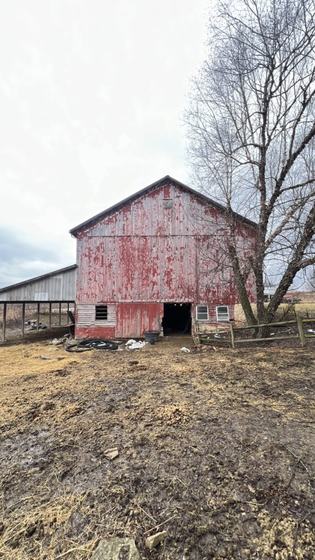 Bank barn 5 photos
Butler, PA
Built From the area's founding · 62 ft x 40 ft
Listed Apr 2025 Older listing
Pennsylvania farm real estate averaged $8,700 an acre in 2026, nearly double the US average of $4,500, with cropland at $9,800 an acre. Prices are highest in Lancaster, Chester and Bucks counties and fall off toward the northern tier and the western counties.
The Pennsylvania bank barn, built into a hillside with a stable below, a threshing floor and hay mows above, and a forebay overhanging the barnyard, grew out of the barns of Swiss and German settlers in the 1700s and spread west across the country. Pennsylvania also has a state farmland preservation program that has bought easements on thousands of farms, so check whether a farm is preserved before you plan any change.
| Land type | Pennsylvania | US average |
|---|---|---|
| Farm real estate (land and buildings) | $8,700 | $4,500 |
| Cropland | $9,800 | $6,020 |
| Pasture | $4,350 | $2,000 |
| Change in farm real estate, 2025 to 2026 | +2.5% | +3.4% |
Source: USDA NASS, Land Values 2026 Summary, released July 31, 2026. Pennsylvania farm real estate is 93% above the US average.
The limestone valleys of southeastern Pennsylvania hold the oldest and grandest bank barns, many with stone gable ends or entirely stone lower walls and date stones over the doors. Berks and Lehigh counties are where painted hex signs are most common, and Lancaster County has the country's best-known Amish and Mennonite farming communities, whose barns stay in daily use.
This is the most expensive barn country in the state. Old barns also come up here for removal when farmland is developed, and stone bank barns are sometimes sold to builders who must take the whole structure down.
The long valleys of central Pennsylvania, in Centre, Mifflin, Juniata, Snyder, Union and Cumberland counties, are lined with frame and log bank barns on family farms. Mifflin County's Kishacoquillas Valley, known as Big Valley, has large Amish communities.
Prices are well below the southeast, and barns here often come with a farmhouse and 50 to 150 acres. Timbers in the older barns are frequently hand-hewn oak and chestnut.
Washington and Greene counties were sheep country in the 1800s, and western Pennsylvania's bank barns were built for sheep, cattle and later dairy herds. Butler, Lawrence and Mercer counties north of Pittsburgh have many such barns on farms that stopped milking decades ago.
Natural gas leases are common in the southwest, so ask what mineral rights convey with the land and whether there are well pads near the barn.
Our old barn inspection checklist covers the rest, and the guide to moving an old barn explains the costs if you plan to take one down and re-erect it.
Restoring a listed barn for business use may qualify for the 20% federal historic tax credit; see our barn tax credit guide.
A two-level barn built into a slope, so wagons can drive into the upper floor from the high side while animals are stabled on the lower level. Most have a forebay, the upper floor projecting over the barnyard, and many in the southeast have stone walls.
Yes. The Historic Barn and Farm Foundation of Pennsylvania offers matching barn grants for preservation projects, and listed barns used for business may qualify for historic tax credits through the state historic preservation office.
Pennsylvania farm real estate averaged $8,700 an acre in 2026, according to USDA. Lancaster and Chester county farms cost much more, while central and western counties usually cost less.
List your Pennsylvania barn on OldBarnsForSale.net for free and reach buyers looking for old barns.
List Your Barn