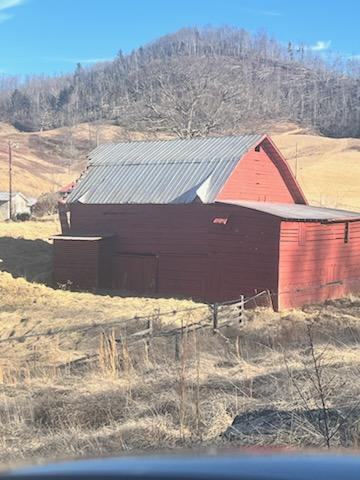
 Gable barn 6 photos
Bakersville, NC
Turn-of-the-Century Mountain Farm Barn
Built c. 1900
Make an offer Barn to move
Listed Aug 2026
North Carolina was the heart of bright-leaf tobacco, and thousands of its curing barns and packhouses still stand, many of them for sale or free to move.
Barns posted by their owners, newest first. Most are sold to be taken down and moved. Click a barn for its photos, size, age and the seller's terms.
Gable barn 6 photos Bakersville, NC
Built c. 1900
Listed Aug 2026
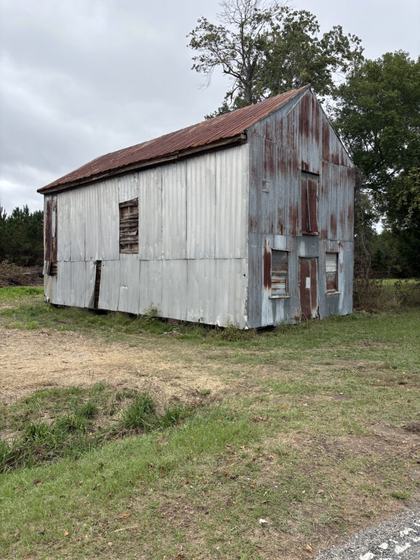 Tobacco pack house 8 photos
Bertie County, NC
Over 100 years old
Listed Oct 2025 Older listing
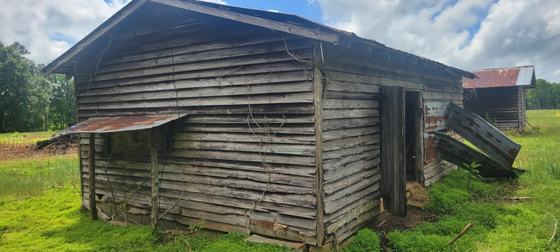 Tobacco pack house 5 photos
Oxford, NC
Listed May 2025 Older listing
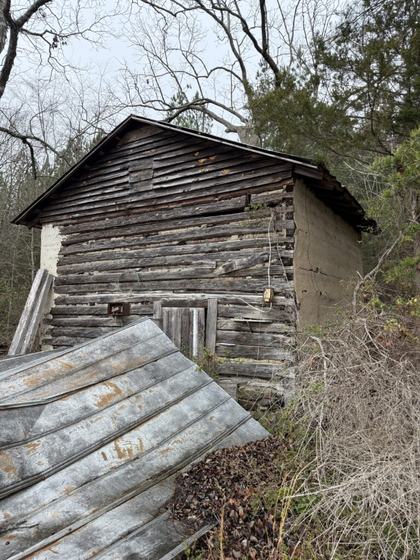 Log tobacco barn 3 photos
Caswell County, NC
18 ft x 16 ft
Listed Feb 2025 Older listing
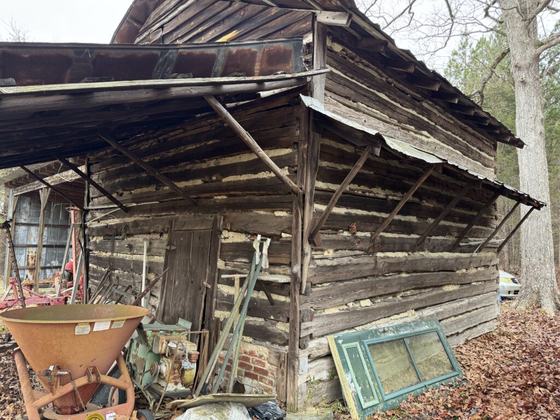 Log tobacco barn 4 photos
Caswell County, NC
18 ft x 18 ft
Listed Feb 2025 Older listing
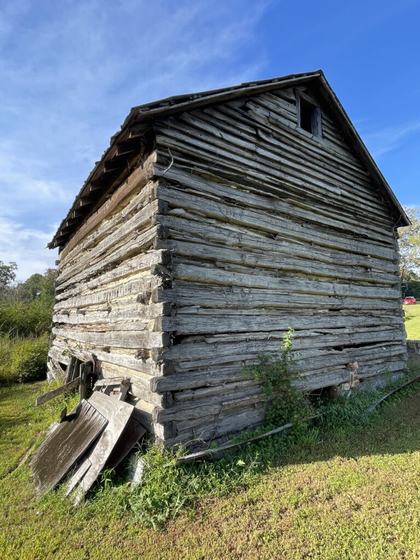 Log tobacco barn 8 photos
Caswell County, NC
Built late 1800s to early 1900s
Listed Feb 2025 Older listing
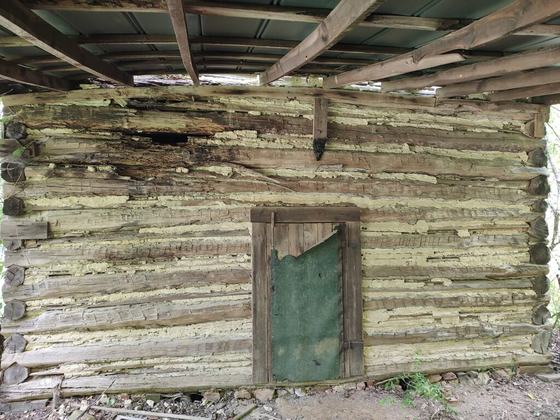 Log tobacco barn 3 photos
Ruffin, NC
Built 1940s
Listed Jan 2025 Older listing
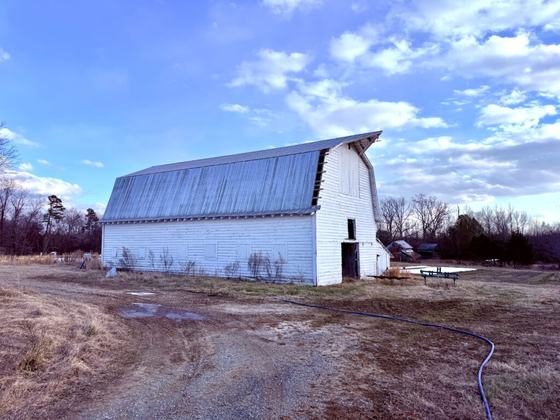 Gambrel hay barn 8 photos
Elon, NC
Built late 1800s · About 30 ft x 58 ft
Listed Jan 2025 Older listing
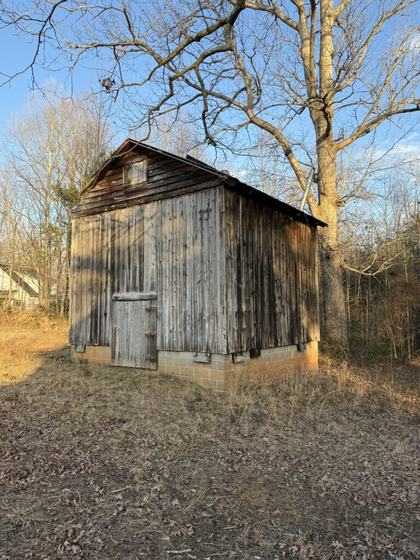 Tobacco curing barn 7 photos
Elon, NC
Built mid 1900s
Listed Jan 2025 Older listing
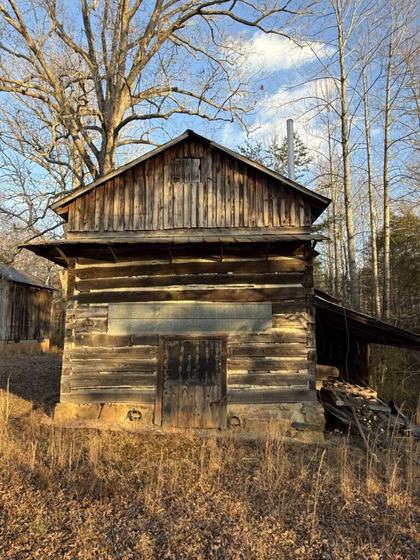 Log tobacco barn 8 photos
Elon, NC
Built early to mid 1900s · About 17 ft x 17 ft
Listed Jan 2025 Older listing
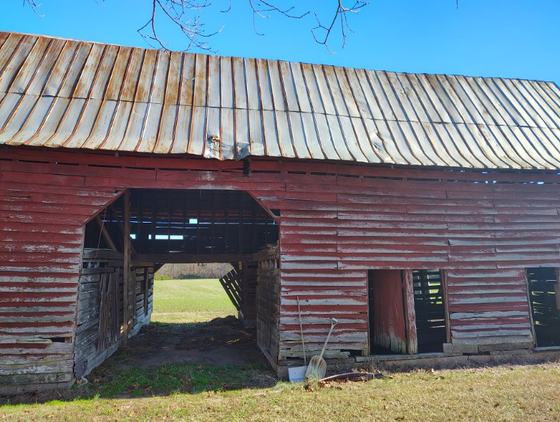 Gambrel barn 8 photos
China Grove, NC
49 ft x 33 ft
Listed Jan 2025 Older listing
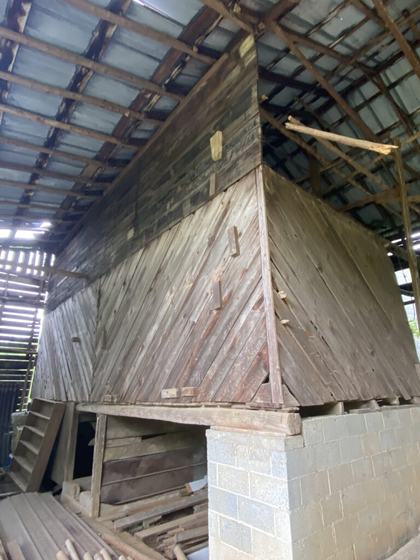 Tobacco barn 8 photos
Leicester, NC
Over 100 years old
Listed Aug 2024 Older listing
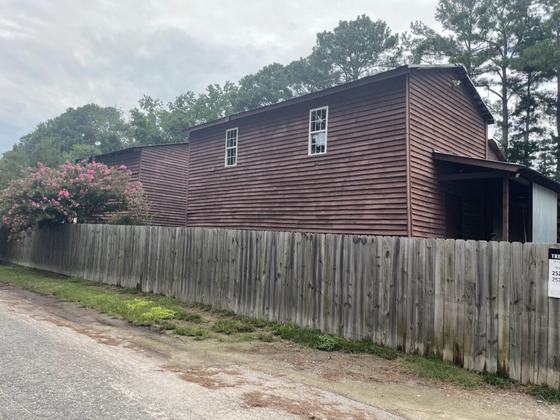 Tobacco barn 4 photos
Wilson, NC
Built mid 1900s · 2,000 sq ft and 3,100 sq ft
Listed Aug 2024 Older listing
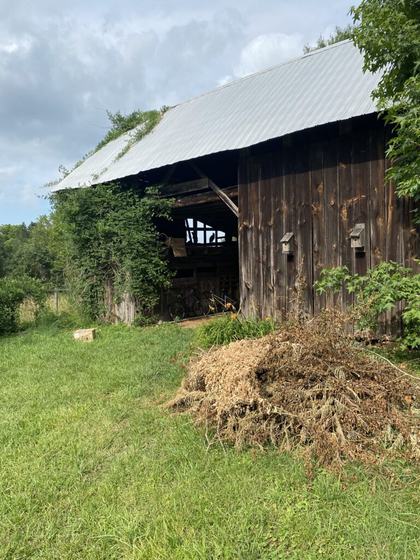 Horse barn 4 photos
Siler City, NC
About 100 years old
Listed Aug 2024 Older listing
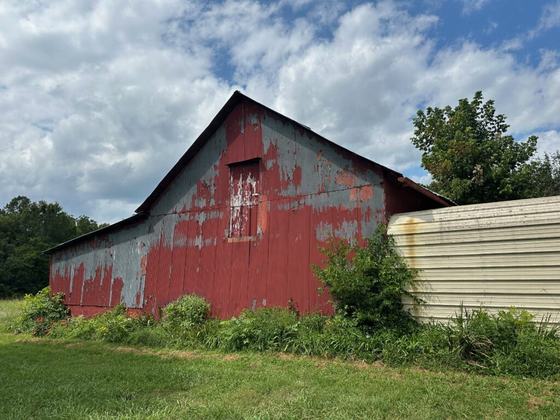 Gable barn 8 photos
Hillsborough, NC
Over 100 years old
Listed Aug 2024 Older listing
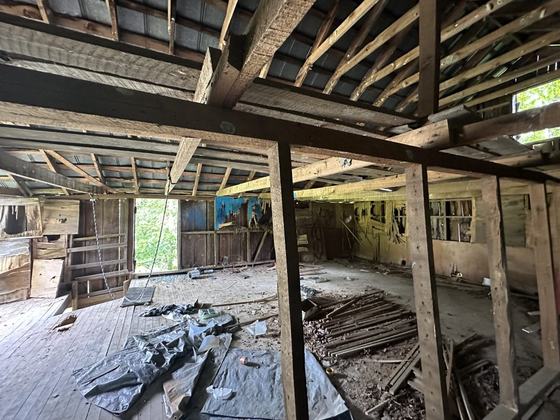 Gable barn 8 photos
Snow Camp, NC
Listed Aug 2024 Older listing
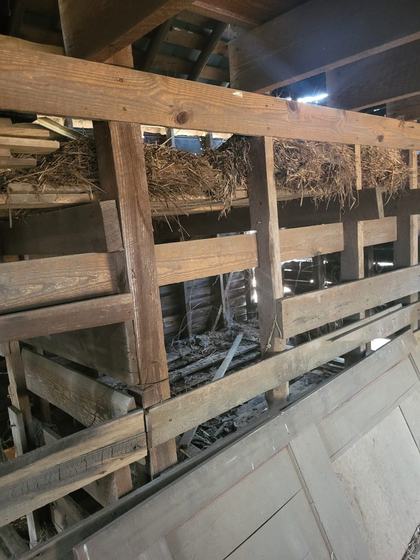 Horse barn 7 photos
Granite Falls, NC
Over 100 years old · 68 ft x 40 ft
Listed Aug 2024 Older listing
North Carolina farm real estate averaged $5,750 an acre in 2026, up 5.1% in a year and above the US average of $4,500. Pasture is worth more than cropland ($6,380 against $5,580 an acre), because so much rural land around the Triangle, the Triad and Charlotte now sells for homes and small farms.
No state has more old tobacco barns. Flue-cured bright-leaf tobacco took off after the 1839 discovery of the curing method in Caswell County, and every tobacco farm needed several small curing barns plus a packhouse. When tobacco quotas ended in 2004 most of those buildings lost their use, which is why more of the barns listed on this site are in North Carolina than in any other state.
| Land type | North Carolina | US average |
|---|---|---|
| Farm real estate (land and buildings) | $5,750 | $4,500 |
| Cropland | $5,580 | $6,020 |
| Pasture | $6,380 | $2,000 |
| Change in farm real estate, 2025 to 2026 | +5.1% | +3.4% |
Source: USDA NASS, Land Values 2026 Summary, released July 31, 2026. North Carolina farm real estate is 28% above the US average.
The northern Piedmont along the Virginia line, in Caswell, Rockingham, Person, Granville and Alamance counties, grew the original bright-leaf tobacco. Its curing barns are small, tall log or plank buildings, often of hand-hewn oak or pine logs chinked with clay or mortar, with tier poles inside where sticks of leaf hung over a furnace and flues.
Many of these barns are offered by owners and reclaiming companies to be taken down and rebuilt as cabins, guest houses or garden buildings. Larger hay barns and mule barns stand on the same farms and sell with the land.
From Wilson and Nash east to Pitt, Greene and Bertie counties, flat Coastal Plain farms grew tobacco on a larger scale. Wilson long called itself the world's greatest tobacco market, and the farms around it have frame curing barns, big two-story packhouses and, from the 1960s on, metal bulk barns.
Farmland here sells at farm prices outside the growing towns, and packhouses are often sold for their heart pine and wide boards.
The Blue Ridge counties grew burley tobacco, which is air-cured rather than flue-cured, so their tobacco barns are larger frame barns with gaps or vents in the siding. Older log barns and later frame hay barns stand on small hillside farms in Madison, Yancey, Mitchell, Watauga and Ashe counties.
Mountain land near Asheville and Boone carries second-home prices, while farms further out are cheaper per acre but steeper and harder to reach with a truck and trailer.
Our old barn inspection checklist covers the rest, and the guide to moving an old barn explains the costs if you plan to take one down and re-erect it.
Restoring a listed barn for business use may qualify for the 20% federal historic tax credit; see our barn tax credit guide.
Yes. Small log curing barns are among the easiest old barns to move, and many owners sell them, or give them away, to clear the land. Plan for labeling the logs, a trailer, a new foundation and a new roof.
A curing barn is a small, tall, tight building where tobacco hung over a furnace and flues to cure. A packhouse is a larger building where the cured leaf was stored, graded and tied before it went to market.
North Carolina farm real estate averaged $5,750 an acre in 2026, according to USDA, up 5.1% from 2025. Land near the big metro areas costs more, and Coastal Plain farmland usually costs less.
List your North Carolina barn on OldBarnsForSale.net for free and reach buyers looking for old barns.
List Your Barn