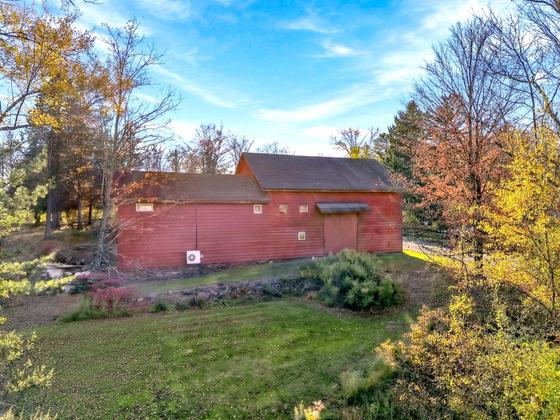
 Post-and-beam barn 8 photos
Saugerties, NY
c. 1885 Post-and-Beam Barn with Studios on 1+ Acre
Built c. 1885 · About 3,400 sq ft
$469,000 Barn with land
Listed Nov 2026
New Jersey has the second most expensive farmland in the country, but it also has old Dutch and bank barns that a strong farmland program helps keep standing.
No New Jersey barns are listed right now. Most barns below are sold to be taken down and moved, so buyers often look in nearby states.
Post-and-beam barn 8 photos Saugerties, NY
Built c. 1885 · About 3,400 sq ft
Listed Nov 2026
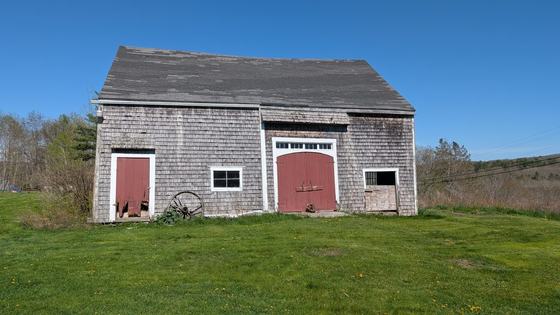 Gable barn 8 photos
Bucksport, ME
Built 1860 · About 42 ft x 34 ft
Listed May 2026
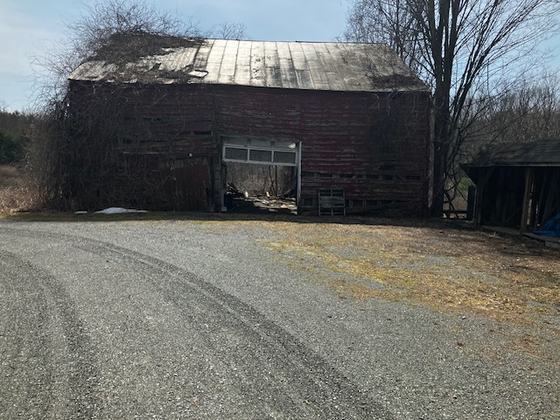 Post-and-beam barn 8 photos
Averill Park, NY
Over 120 years old · About 40 ft x 60 ft, 25 ft tall
Listed May 2026
New Jersey farm real estate averaged $17,000 an acre in 2026, nearly four times the US average and second only to Rhode Island. Pasture averaged $15,600 an acre, so almost any land with a barn here is priced for homes and horse farms rather than for farming.
Much of the state's farmland is permanently preserved through the Farmland Preservation Program run by the State Agriculture Development Committee (SADC). A preserved farm can be sold, but it carries a deed restriction that keeps it in agriculture and limits new houses, which lowers the price and often keeps old barns in use. Check whether a farm is preserved before you plan any change.
| Land type | New Jersey | US average |
|---|---|---|
| Farm real estate (land and buildings) | $17,000 | $4,500 |
| Cropland | $17,100 | $6,020 |
| Pasture | $15,600 | $2,000 |
| Change in farm real estate, 2025 to 2026 | +2.4% | +3.4% |
Source: USDA NASS, Land Values 2026 Summary, released July 31, 2026. New Jersey farm real estate is 278% above the US average.
The Raritan valley and the hills of Hunterdon and Somerset counties were settled in the 1700s by Dutch, German and English farmers, and the area still has New World Dutch barns alongside Pennsylvania-style bank barns and stone barns.
This is the heart of New Jersey's barn country and its most expensive. Many old farms are now horse farms or estates, and preserved farms make up a large share of the farmland that remains.
Monmouth County and western Mercer County have a long horse-breeding history, and their old barns are often horse barns or converted dairy barns on equestrian properties.
Barns here mostly come with estates and horse farms at high prices. Township rules on equestrian use, building conversions and preserved land matter as much as the barn itself.
South Jersey's flat coastal plain was settled by English Quakers, and Salem County has some of the state's oldest farmhouses and outbuildings. Barns here are mostly frame barns tied to vegetable, fruit and dairy farming.
Farmland in Salem and Cumberland counties is the least expensive in New Jersey, and it is where buyers are most likely to find an old barn still on a working farm.
Our old barn inspection checklist covers the rest, and the guide to moving an old barn explains the costs if you plan to take one down and re-erect it.
Restoring a listed barn for business use may qualify for the 20% federal historic tax credit; see our barn tax credit guide.
New Jersey farm real estate averaged $17,000 an acre in 2026, according to USDA, second only to Rhode Island, because most farmland is within reach of New York and Philadelphia and is valued for homes and horse farms.
Yes. Preserved farms are sold like other property, but a deed restriction keeps the land in agriculture and limits new houses and non-farm uses. Check the restriction with the SADC or the county agriculture board before you buy.
Yes. New World Dutch barns survive in the Raritan valley and in Hunterdon, Somerset, Bergen and Monmouth counties, though far fewer than in New York's Hudson Valley.
List your New Jersey barn on OldBarnsForSale.net for free and reach buyers looking for old barns.
List Your Barn