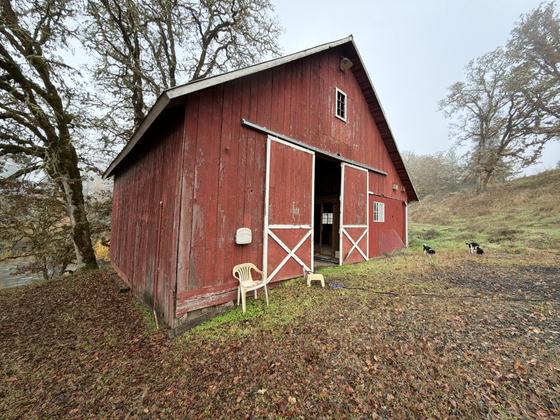
 Gable barn 5 photos
Lebanon, OR
Weathered 100-Year-Old Red Barn
About 100 years old
Make an offer Barn to move
Listed Nov 2026
Washington's old barns split along the Cascades: big dairy barns in the wet northwest valleys, hay and grain barns in the dry country to the east.
No Washington barns are listed right now. Most barns below are sold to be taken down and moved, so buyers often look in nearby states.
Gable barn 5 photos Lebanon, OR
About 100 years old
Listed Nov 2026
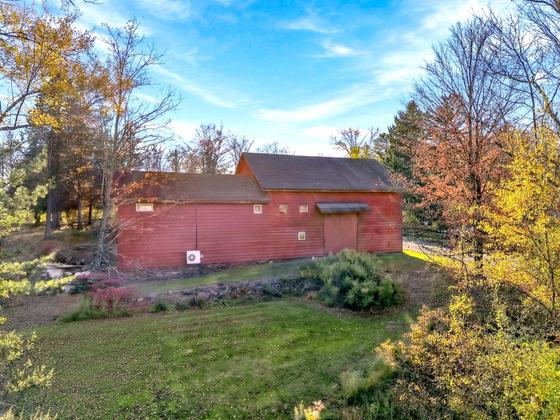 Post-and-beam barn 8 photos
Saugerties, NY
Built c. 1885 · About 3,400 sq ft
Listed Nov 2026
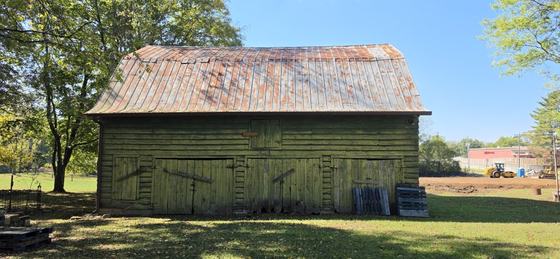 Gambrel barn 7 photos
Monteagle, TN
Listed Oct 2026
Washington farm real estate averaged $3,800 an acre in 2026, below the US average of $4,500, but the state average hides two very different markets. Rangeland and pasture east of the Cascades averaged only $980 an acre, while farmland in the Puget Sound valleys sells at many times that because of housing pressure.
Washington is one of the few states with a dedicated barn program. The Heritage Barn Register, created by the legislature in 2007 and run by the Department of Archaeology and Historic Preservation (DAHP), recognizes barns at least 50 years old, and listed barns can apply for Heritage Barn Grants funded in the state capital budget. A barn already on the register is worth asking about when you buy.
| Land type | Washington | US average |
|---|---|---|
| Farm real estate (land and buildings) | $3,800 | $4,500 |
| Cropland | $3,540 | $6,020 |
| Pasture | $980 | $2,000 |
| Change in farm real estate, 2025 to 2026 | +2.4% | +3.4% |
Source: USDA NASS, Land Values 2026 Summary, released July 31, 2026. Washington farm real estate is 16% below the US average.
The river valleys north of Seattle were cleared and diked for dairying in the late 1800s and early 1900s, and they hold the state's largest concentration of big gambrel and gable dairy barns. Many were built with Douglas fir from local mills and have long hay mows over a ground-floor milking parlor.
Whatcom County around Lynden was settled partly by Dutch immigrants, and its dairy farms still show it. Prices in these valleys are high for farmland because of development pressure from Puget Sound, but farmland protection programs in Skagit County keep many barns on working farms.
The rolling loess hills of southeastern Washington were settled for wheat farming from the 1870s, and their barns were built for draft horses and hay before tractors took over. Large gable and gambrel horse barns, many standing alone on hilltops after their farmhouses were removed, are the signature of the region.
Land here is valued as dryland cropland, so barns often come at farm prices rather than homesite prices. Many have stood empty since the horses left, which makes the roof and the sills the first things to check.
The Kittitas Valley around Ellensburg is known for its timothy hay, and its hay barns and pole barns are part of a working export trade. The irrigated Yakima Valley to the south has barns tied to orchards, hops and cattle ranches.
Central Washington's dry climate is kind to old wood, so barns here often survive in better shape than their age suggests. Water rights matter as much as the barn: ask what irrigation rights convey with the land.
Our old barn inspection checklist covers the rest, and the guide to moving an old barn explains the costs if you plan to take one down and re-erect it.
Restoring a listed barn for business use may qualify for the 20% federal historic tax credit; see our barn tax credit guide.
Yes. Barns on the Washington Heritage Barn Register, the Washington Heritage Register or the National Register can apply for Heritage Barn Grants. The money comes from the state capital budget every two years and is managed by the Washington Trust for Historic Preservation.
The Palouse in the southeast has the most visible concentration of old horse and hay barns, and the Skagit and Whatcom valleys have the largest group of historic dairy barns.
Washington farm real estate averaged $3,800 an acre in 2026, according to USDA. Dryland and pasture in eastern Washington cost far less, and farmland near Puget Sound costs far more.
List your Washington barn on OldBarnsForSale.net for free and reach buyers looking for old barns.
List Your Barn