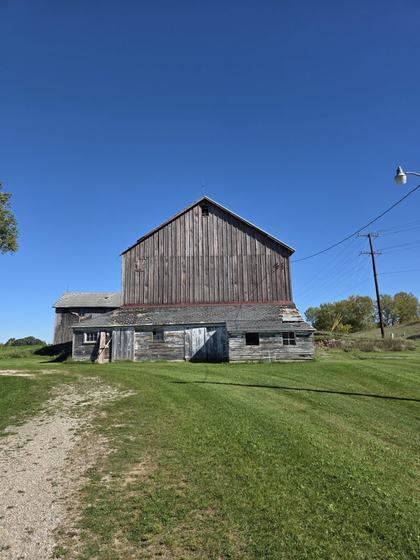
 Timber-frame barn 8 photos
Shiocton, WI
Late-1800s Timber-Frame Barn with Stone Foundation
Built late 1800s
Make an offer Barn to move
Listed Oct 2026
North Dakota's old barns range from the huge barns of the Red River Valley's bonanza farms to the stone and earthen farmsteads of Germans from Russia.
No North Dakota barns are listed right now. Most barns below are sold to be taken down and moved, so buyers often look in nearby states.
Timber-frame barn 8 photos Shiocton, WI
Built late 1800s
Listed Oct 2026
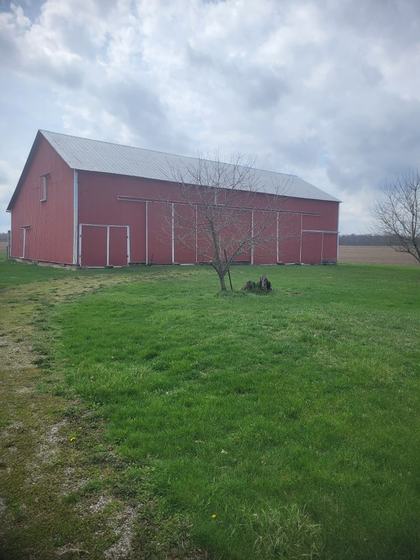 Timber-frame barn 8 photos
Van Wert, OH
Built 1867
Listed Jul 2026
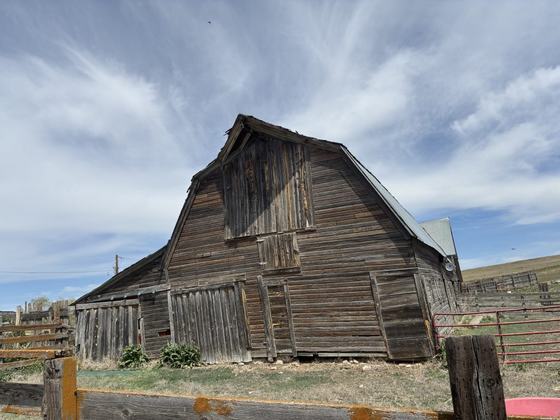 Gambrel cattle barn 8 photos
Box Elder, SD
Listed May 2026
North Dakota farm real estate averaged $2,450 an acre in 2026, well below the US average of $4,500, with cropland at $2,800 and pasture at $1,200, which rose 5.3% in a year.
Most of the state was settled between the 1870s and 1910s, and many of its farmsteads have emptied as farms grew larger. North Dakota's Centennial Farm program, started in 1988 for the state's 1989 centennial, has recognized more than 1,000 farms held in one family for 100 years.
| Land type | North Dakota | US average |
|---|---|---|
| Farm real estate (land and buildings) | $2,450 | $4,500 |
| Cropland | $2,800 | $6,020 |
| Pasture | $1,200 | $2,000 |
| Change in farm real estate, 2025 to 2026 | +3.8% | +3.4% |
Source: USDA NASS, Land Values 2026 Summary, released July 31, 2026. North Dakota farm real estate is 46% below the US average.
The flat, fertile Red River Valley in Cass, Traill, Grand Forks and Walsh counties was the site of the bonanza farms of the 1870s to 1890s, huge wheat operations run like factories, and of the large barns that went with them.
Cropland here is the most valuable in the state, so old barns are often offered for removal.
Emmons, McIntosh, Logan and Mercer counties were settled by Germans from Russia, who brought building traditions from the Black Sea steppes, including houses and outbuildings of stone and earthen brick.
Many of these farmsteads are abandoned, and some buildings are documented by the State Historical Society.
The ranch country and Badlands of Billings, McKenzie, Slope and Stark counties have log and frame ranch barns.
Oil and gas development in the Bakken has changed land values in the northwest, so mineral rights matter as much as the barn.
Our old barn inspection checklist covers the rest, and the guide to moving an old barn explains the costs if you plan to take one down and re-erect it.
Restoring a listed barn for business use may qualify for the 20% federal historic tax credit; see our barn tax credit guide.
Huge wheat farms in the Red River Valley in the 1870s to 1890s, some covering tens of thousands of acres, run with hired crews and large barns for their horses.
North Dakota farm real estate averaged $2,450 an acre in 2026, according to USDA, with Red River Valley cropland costing more than western pasture.
German-speaking farmers who had lived on the Russian steppes and settled south-central North Dakota from the 1880s, building with stone and earthen brick.
List your North Dakota barn on OldBarnsForSale.net for free and reach buyers looking for old barns.
List Your Barn