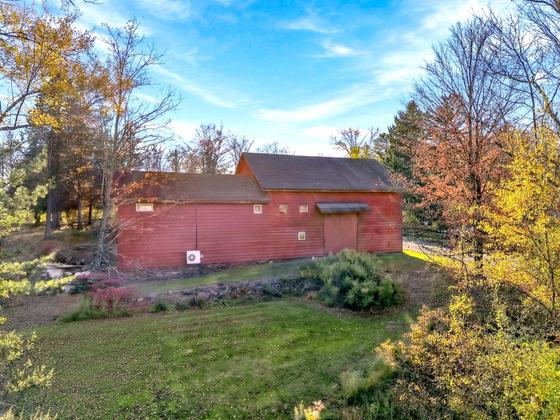
 Post-and-beam barn 8 photos
Saugerties, NY
c. 1885 Post-and-Beam Barn with Studios on 1+ Acre
Built c. 1885 · About 3,400 sq ft
$469,000 Barn with land
Listed Nov 2026
Rhode Island has the most expensive farmland in the country, but old English-style barns still stand on farms in the East Bay, South County and the northwest hills.
No Rhode Island barns are listed right now. Most barns below are sold to be taken down and moved, so buyers often look in nearby states.
Post-and-beam barn 8 photos Saugerties, NY
Built c. 1885 · About 3,400 sq ft
Listed Nov 2026
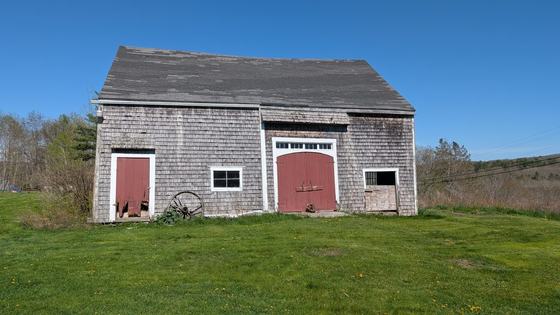 Gable barn 8 photos
Bucksport, ME
Built 1860 · About 42 ft x 34 ft
Listed May 2026
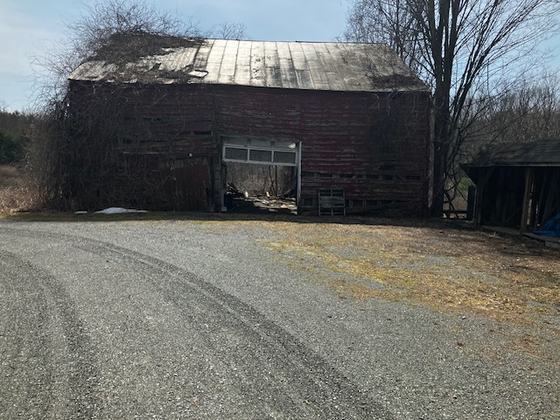 Post-and-beam barn 8 photos
Averill Park, NY
Over 120 years old · About 40 ft x 60 ft, 25 ft tall
Listed May 2026
Rhode Island farm real estate averaged $23,600 an acre in 2026, the highest in the United States and more than five times the US average. Cropland averaged $34,300 an acre. In practice, almost every property with an old barn is priced as a residential estate.
The state's barns are mostly English-style timber-frame barns and later dairy barns, many surrounded by the stone walls of farms worked since the 1600s and 1700s. The state buys development rights on farmland through its Agricultural Land Preservation Commission, so some farms come with restrictions that keep them in agriculture.
| Land type | Rhode Island | US average |
|---|---|---|
| Farm real estate (land and buildings) | $23,600 | $4,500 |
| Cropland | $34,300 | $6,020 |
| Pasture | $17,500 | $2,000 |
| Change in farm real estate, 2025 to 2026 | +4.9% | +3.4% |
Source: USDA NASS, Land Values 2026 Summary, released July 31, 2026. Rhode Island farm real estate is 424% above the US average.
Little Compton and Tiverton, along the Sakonnet River and the Massachusetts line, have some of the oldest continuously farmed land in New England, with stone walls, English barns and farm buildings on long-held family farms.
Coastal views and second-home demand make this the most expensive barn country in the state.
Washington County, known as South County, has the most farmland in Rhode Island, in towns such as Exeter, Richmond, South Kingstown and Charlestown. Dairy barns and older timber frames stand on farms that now grow turf, vegetables and nursery stock.
Inland towns away from the coast are the state's best value for land with an old barn.
The hilly northwest has orchards and small farms with barns built into the slopes. Building the Scituate Reservoir in the 1920s took over several villages and many farms, and the farms that remain around it are quieter and more rural than the rest of the state.
Prices are lower than on the coast but still high by national standards.
Our old barn inspection checklist covers the rest, and the guide to moving an old barn explains the costs if you plan to take one down and re-erect it.
Restoring a listed barn for business use may qualify for the 20% federal historic tax credit; see our barn tax credit guide.
Rhode Island farm real estate averaged $23,600 an acre in 2026, according to USDA, the highest in the country, because the state is small, densely settled and in demand for coastal and country homes.
Very few. Rhode Island has little new post-frame home building, and most barn homes for sale are converted old barns. Our barndominium guide explains the difference.
South County, especially Exeter, Richmond and South Kingstown, and the East Bay towns of Little Compton and Tiverton.
List your Rhode Island barn on OldBarnsForSale.net for free and reach buyers looking for old barns.
List Your Barn