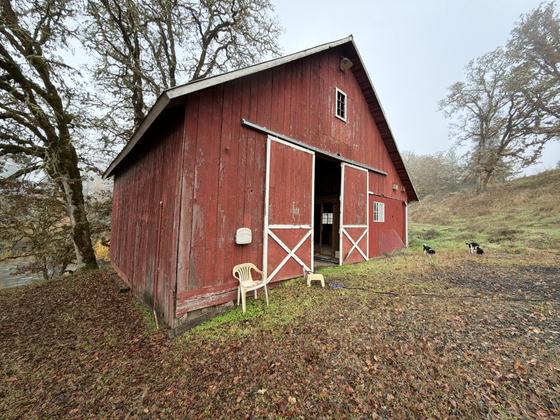
 Gable barn 5 photos
Lebanon, OR
Weathered 100-Year-Old Red Barn
About 100 years old
Make an offer Barn to move
Listed Nov 2026
Idaho's old barns range from Palouse wheat barns in the north to log barns in the Teton Valley, and many stand on homesteads abandoned decades ago.
No Idaho barns are listed right now. Most barns below are sold to be taken down and moved, so buyers often look in nearby states.
Gable barn 5 photos Lebanon, OR
About 100 years old
Listed Nov 2026
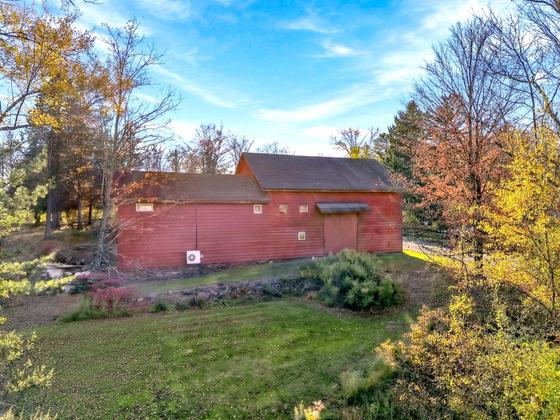 Post-and-beam barn 8 photos
Saugerties, NY
Built c. 1885 · About 3,400 sq ft
Listed Nov 2026
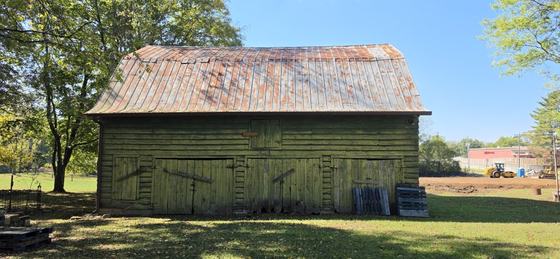 Gambrel barn 7 photos
Monteagle, TN
Listed Oct 2026
Idaho farm real estate averaged $4,750 an acre in 2026, a little above the US average of $4,500. Irrigated cropland, averaging $6,170, drives that number; pasture and dry rangeland, averaging $2,500, cost far less.
Much of southern Idaho was settled only after big irrigation projects in the early 1900s, and many dry-land homesteads failed in the drought years of the 1920s and 1930s. That is why so many abandoned barns stand alone on Idaho farmland, often on parcels now owned by a neighboring farm. Water rights matter as much as the barn: ask exactly which rights convey with the land.
| Land type | Idaho | US average |
|---|---|---|
| Farm real estate (land and buildings) | $4,750 | $4,500 |
| Cropland | $6,170 | $6,020 |
| Pasture | $2,500 | $2,000 |
| Change in farm real estate, 2025 to 2026 | +3.7% | +3.4% |
Source: USDA NASS, Land Values 2026 Summary, released July 31, 2026. Idaho farm real estate is 6% above the US average.
Latah and Nez Perce counties share the rolling Palouse hills with eastern Washington, and their farms have large gable and gambrel barns built for draft horses and hay in the wheat-farming boom of the late 1800s and early 1900s.
Farther north, in Benewah, Bonner and Boundary counties, barns stand on smaller farms cleared from forest. Recreation and second-home demand around the lakes push land prices up.
The Magic Valley around Twin Falls and the Treasure Valley around Boise were opened by irrigation projects in the early 1900s. Barns here are mostly frame hay and dairy barns, and the Magic Valley also has buildings of local lava rock, especially around Jerome and Gooding.
The Treasure Valley is growing fast, and old farmsteads near Boise, Nampa and Caldwell are being sold for development, sometimes with barns offered for removal.
Settlers from Utah, many of them Latter-day Saints, farmed the upper Snake River valley from the 1880s. The Teton Valley and Fremont County have log barns, hay derricks and frame barns built for long, snowy winters.
Teton Valley land near Driggs and Victor carries resort prices because of nearby Jackson Hole, while farms farther from the mountains cost much less.
Our old barn inspection checklist covers the rest, and the guide to moving an old barn explains the costs if you plan to take one down and re-erect it.
Restoring a listed barn for business use may qualify for the 20% federal historic tax credit; see our barn tax credit guide.
Yes. Many dry-land homesteads failed in the 1920s and 1930s, and their barns stand empty on land now farmed by neighbors. They are rarely advertised, so ask the landowner or a local farm agent.
Not always. Water rights can be sold separately from land, so confirm in writing which rights and irrigation shares convey before you buy farmland with a barn.
Idaho farm real estate averaged $4,750 an acre in 2026, according to USDA. Irrigated cropland costs more, and dry rangeland much less.
List your Idaho barn on OldBarnsForSale.net for free and reach buyers looking for old barns.
List Your Barn