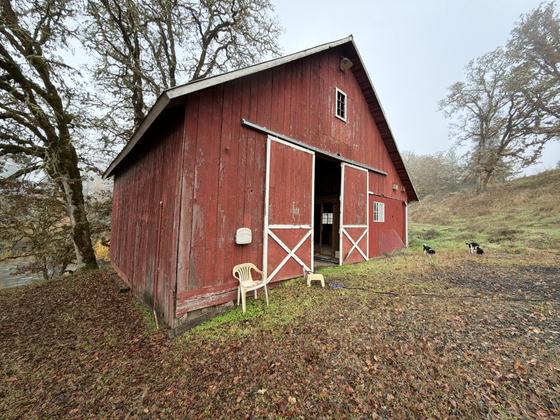
 Gable barn 5 photos
Lebanon, OR
Weathered 100-Year-Old Red Barn
About 100 years old
Make an offer Barn to move
Listed Nov 2026
Utah's old barns were built by Latter-day Saint pioneers in its valleys, from Cache Valley dairy farms to the stone buildings of the Sanpete Valley.
No Utah barns are listed right now. Most barns below are sold to be taken down and moved, so buyers often look in nearby states.
Gable barn 5 photos Lebanon, OR
About 100 years old
Listed Nov 2026
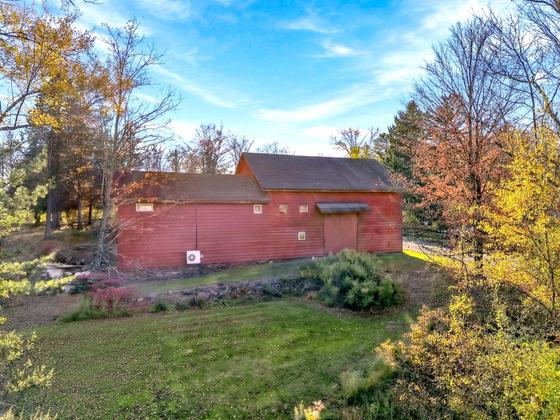 Post-and-beam barn 8 photos
Saugerties, NY
Built c. 1885 · About 3,400 sq ft
Listed Nov 2026
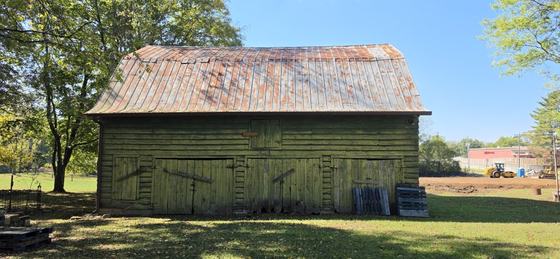 Gambrel barn 7 photos
Monteagle, TN
Listed Oct 2026
Utah farm real estate averaged $3,650 an acre in 2026, below the US average of $4,500, but irrigated cropland averaged $6,040 and land along the Wasatch Front costs far more. Pasture averaged $2,000.
Utah's pioneers settled in farm villages, with houses in town and fields outside, so old barns often stand on town lots as well as in the fields. The Utah Century Farm and Ranch program, created for the 1996 statehood centennial, recognizes farms held by one family for 100 years, and the state's LeRay McAllister fund helps buy easements to keep working farms in agriculture.
| Land type | Utah | US average |
|---|---|---|
| Farm real estate (land and buildings) | $3,650 | $4,500 |
| Cropland | $6,040 | $6,020 |
| Pasture | $2,000 | $2,000 |
| Change in farm real estate, 2025 to 2026 | +4.3% | +3.4% |
Source: USDA NASS, Land Values 2026 Summary, released July 31, 2026. Utah farm real estate is 19% below the US average.
Cache Valley around Logan and the farms of Box Elder County are Utah's dairy and hay country, with gambrel and gable barns and hay derricks on irrigated fields.
Growth around Logan and Brigham City is raising prices, and some old barns are offered for removal ahead of development.
Sanpete County, settled largely by Scandinavian converts and sometimes called Little Denmark, has pioneer houses, granaries and barns of local oolite limestone in towns such as Manti, Ephraim and Spring City.
Prices are moderate, and the region's stone buildings are among the best-preserved pioneer architecture in Utah.
The Heber Valley and the Kamas Valley behind the Wasatch Range were dairy and ranch country, with large barns now surrounded by resort growth from Park City.
Land here costs far more than elsewhere in rural Utah, and old barns are prized for conversion.
Our old barn inspection checklist covers the rest, and the guide to moving an old barn explains the costs if you plan to take one down and re-erect it.
Restoring a listed barn for business use may qualify for the 20% federal historic tax credit; see our barn tax credit guide.
Not automatically. Irrigation water in Utah is usually held as water rights or irrigation company shares that can be sold separately, so confirm what conveys before you buy.
The Sanpete Valley, especially Manti, Ephraim and Spring City, has many pioneer houses, granaries and barns of local limestone.
Utah farm real estate averaged $3,650 an acre in 2026, according to USDA, with irrigated cropland at $6,040. Land along the Wasatch Front and in the Heber Valley costs far more.
List your Utah barn on OldBarnsForSale.net for free and reach buyers looking for old barns.
List Your Barn