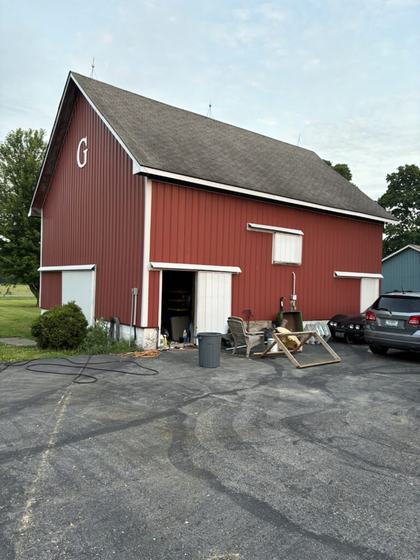
 Timber-frame barn 8 photos
Lebanon, IN
1898 Timber-Frame Barn with Hay Loft, 40 x 30
Built 1898 · 40 ft x 30 ft
Make an offer Barn to move
Listed Dec 2024 Older listing
Indiana has round barns, Amish bank barns and rare hay press barns, and its high land prices mean many are sold to be moved.
Barns posted by their owners, newest first. Most are sold to be taken down and moved. Click a barn for its photos, size, age and the seller's terms.
Timber-frame barn 8 photos Lebanon, IN
Built 1898 · 40 ft x 30 ft
Listed Dec 2024 Older listing
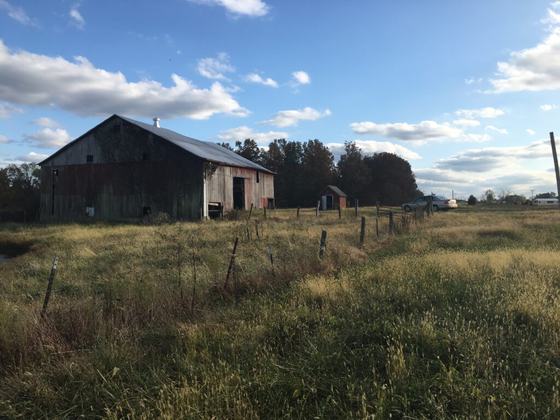 Hay press barn 3 photos
Switzerland County, IN
Built 1860-1865 · About 60 ft long
Listed Dec 2024 Older listing
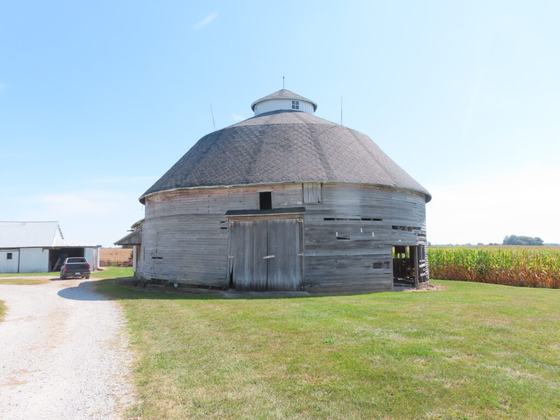 Round barn 7 photos
Kewanna, IN
Built 1907-1912 · 55 ft diameter
Listed Sep 2024 Older listing
Indiana farm real estate averaged $9,150 an acre in 2026, double the US average of $4,500. With cropland at $8,600 an acre, many owners of unused barns would rather sell them for removal than keep them on land they can farm, so Indiana is a good state to find a historic barn to move.
The state has a long record of honoring old farms: the Hoosier Homestead Award, given by the Indiana State Department of Agriculture since 1976, has recognized more than 6,000 families who have kept a farm for 100, 150 or 200 years.
| Land type | Indiana | US average |
|---|---|---|
| Farm real estate (land and buildings) | $9,150 | $4,500 |
| Cropland | $8,600 | $6,020 |
| Pasture | $2,850 | $2,000 |
| Change in farm real estate, 2025 to 2026 | +3.4% | +3.4% |
Source: USDA NASS, Land Values 2026 Summary, released July 31, 2026. Indiana farm real estate is 103% above the US average.
Fulton County calls itself the round barn capital of the world, and round and polygonal barns built from about 1900 to 1920 still stand in Fulton, Cass, Miami and Wabash counties. The Fulton County Historical Society keeps a round barn museum in Rochester.
To the north, Elkhart and LaGrange counties have large Amish communities with working bank barns and barn-raising crews. One listing on this site, the 1912 round barn of Maple Crest Farm near Kewanna, is offered to be moved.
Central Indiana's flat, rich farmland around Indianapolis has big gable and gambrel barns from the late 1800s and early 1900s. Hamilton, Boone and Hendricks counties are turning suburban, and barns there are often offered for removal ahead of development.
Farther out, in Tipton, Clinton and Rush counties, barns still stand on working grain farms.
Switzerland County and its Ohio River neighbors have hay press barns, tall barns built around a wooden press that baled hay for shipment downriver in the 1800s. Few survive anywhere else. The same river counties grew burley tobacco and have air-cure tobacco barns.
Southern Indiana's hills are cheaper than the corn belt, but steep ground and old timbers that have stood empty need careful inspection.
Our old barn inspection checklist covers the rest, and the guide to moving an old barn explains the costs if you plan to take one down and re-erect it.
Restoring a listed barn for business use may qualify for the 20% federal historic tax credit; see our barn tax credit guide.
Fulton County and its neighbors have the most. The Fulton County Historical Society's round barn museum is in Rochester, and some round barns, such as the Maple Crest Farm barn near Kewanna, are offered to be moved.
A tall barn built around a wooden hay press that compressed hay into bales for shipping on the Ohio River in the 1800s. Southeastern Indiana, especially Switzerland County, has most of the survivors.
Indiana farm real estate averaged $9,150 an acre in 2026, according to USDA, and cropland $8,600. Pasture and hill land in southern Indiana cost much less.
List your Indiana barn on OldBarnsForSale.net for free and reach buyers looking for old barns.
List Your Barn