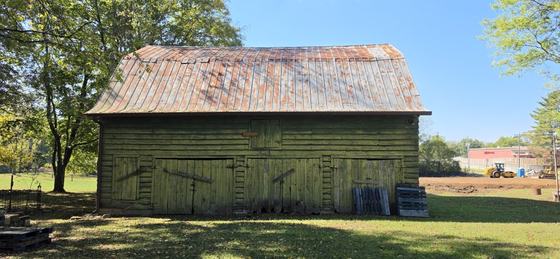
 Gambrel barn 7 photos
Monteagle, TN
Church-Owned Gambrel Barn on the Cumberland Plateau
Make an offer Barn to move
Listed Oct 2026
South Carolina's Pee Dee region grew flue-cured tobacco for a century, and its curing barns and packhouses still dot the farms.
No South Carolina barns are listed right now. Most barns below are sold to be taken down and moved, so buyers often look in nearby states.
Gambrel barn 7 photos Monteagle, TN
Listed Oct 2026
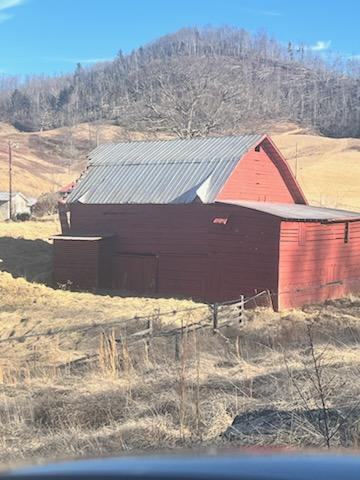 Gable barn 6 photos
Bakersville, NC
Built c. 1900
Listed Aug 2026
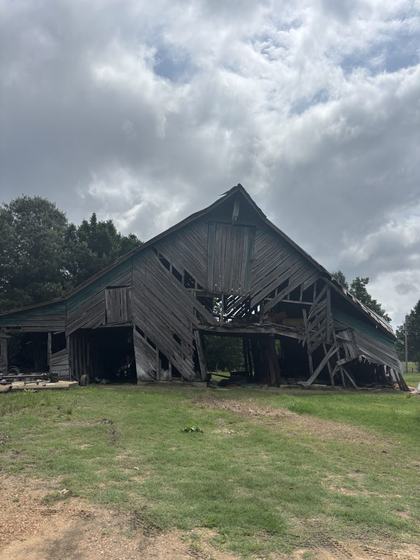 Gable barn 8 photos
Wynne, AR
Listed May 2026
South Carolina farm real estate averaged $4,900 an acre in 2026, a little above the US average of $4,500. Pasture is worth more than cropland ($4,500 against $4,100 an acre), reflecting demand for small farms and homesites.
Preservation South Carolina, formerly the Palmetto Trust for Historic Preservation, runs an Endangered Places Revolving Fund that buys or stabilizes threatened historic buildings and sells them to owners who will restore them; it has protected more than 40 properties.
| Land type | South Carolina | US average |
|---|---|---|
| Farm real estate (land and buildings) | $4,900 | $4,500 |
| Cropland | $4,100 | $6,020 |
| Pasture | $4,500 | $2,000 |
| Change in farm real estate, 2025 to 2026 | +3.4% | +3.4% |
Source: USDA NASS, Land Values 2026 Summary, released July 31, 2026. South Carolina farm real estate is 9% above the US average.
Florence, Marion, Horry, Darlington, Dillon and Williamsburg counties grew flue-cured tobacco from the late 1800s, and Mullins in Marion County was one of the leading tobacco markets. Small log and frame curing barns and packhouses still stand on many farms.
Land here is affordable, and curing barns are often offered for removal or for their pine.
The Piedmont counties of the Upstate, such as Spartanburg, Anderson, Oconee and Pickens, were cotton and later dairy country, with frame barns, mule barns and cribs on hillside farms.
Growth around Greenville and Spartanburg has raised prices close to the cities.
Orangeburg, Calhoun, Colleton and Barnwell counties have cotton and livestock farms with frame barns and outbuildings, and the Lowcountry has plantation-era outbuildings on large properties.
Lowcountry properties near Charleston and Beaufort sell as estates; inland Midlands farms cost far less.
Our old barn inspection checklist covers the rest, and the guide to moving an old barn explains the costs if you plan to take one down and re-erect it.
Restoring a listed barn for business use may qualify for the 20% federal historic tax credit; see our barn tax credit guide.
In the Pee Dee region of the northeast, especially Florence, Marion, Horry, Darlington and Dillon counties, which grew flue-cured tobacco for about a century.
Yes. Preservation South Carolina's Endangered Places Revolving Fund buys or stabilizes threatened historic buildings and resells them, usually with protective covenants, to buyers who will restore them.
South Carolina farm real estate averaged $4,900 an acre in 2026, according to USDA. Pee Dee and Midlands farmland usually costs less than land near Greenville, Charleston and the coast.
List your South Carolina barn on OldBarnsForSale.net for free and reach buyers looking for old barns.
List Your Barn