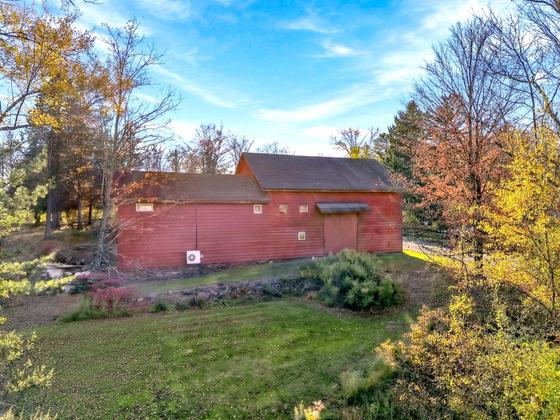
 Post-and-beam barn 8 photos
Saugerties, NY
c. 1885 Post-and-Beam Barn with Studios on 1+ Acre
Built c. 1885 · About 3,400 sq ft
$469,000 Barn with land
Listed Nov 2026
Connecticut packs three barn traditions into a small state: English and bank barns in the Litchfield Hills, tobacco sheds in the Connecticut River valley and dairy barns in the eastern hills.
No Connecticut barns are listed right now. Most barns below are sold to be taken down and moved, so buyers often look in nearby states.
Post-and-beam barn 8 photos Saugerties, NY
Built c. 1885 · About 3,400 sq ft
Listed Nov 2026
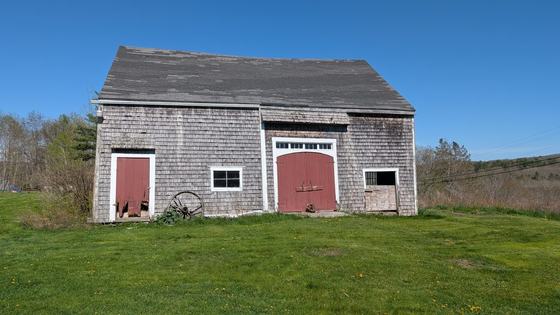 Gable barn 8 photos
Bucksport, ME
Built 1860 · About 42 ft x 34 ft
Listed May 2026
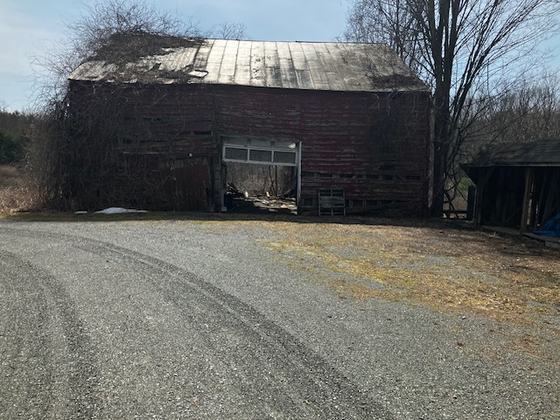 Post-and-beam barn 8 photos
Averill Park, NY
Over 120 years old · About 40 ft x 60 ft, 25 ft tall
Listed May 2026
Connecticut farm real estate averaged $14,600 an acre in 2026, more than three times the US average of $4,500 and up 1.4% in a year. Cropland averaged $23,200 an acre, among the highest in the country, and pasture $13,000. Farmland here competes with housing, so even a small barn property is priced as residential land.
Connecticut has documented its barns better than almost any other state. Preservation Connecticut's Historic Barns of Connecticut survey has recorded more than 8,400 barns, and about 2,000 of them were nominated to the State Register of Historic Places as a group. Many barns here have already been converted to homes or studios, so a barn for sale may well be a finished conversion.
| Land type | Connecticut | US average |
|---|---|---|
| Farm real estate (land and buildings) | $14,600 | $4,500 |
| Cropland | $23,200 | $6,020 |
| Pasture | $13,000 | $2,000 |
| Change in farm real estate, 2025 to 2026 | +1.4% | +3.4% |
Source: USDA NASS, Land Values 2026 Summary, released July 31, 2026. Connecticut farm real estate is 224% above the US average.
The hill towns of northwest Connecticut, including Goshen, Cornwall, Kent, Washington, Sharon and Norfolk, were dairy and mixed farming country. Their barns are mostly 18th and early 19th-century English barns, with a center door on the long side, and later bank barns and dairy barns.
Second-home demand has kept many of these farms intact instead of subdividing them, so more old barns survive here than in most of the state. Prices are high, and the best barns often sell with large country houses.
The towns north of Hartford, including Windsor, East Windsor, Suffield, Enfield and Granby, have grown cigar tobacco since the 1600s, and shade-grown wrapper leaf made the valley famous in the 1900s. The long, narrow tobacco sheds with hinged vent boards along their sides are still a common sight.
Many tobacco sheds stand empty as the industry has shrunk, and some are sold or given away for their wood. They make long, open buildings for storage, workshops or conversion, though they were built lightly and need structural work.
The northeast corner of the state, Windham and Tolland counties, is still Connecticut's most rural area and was its dairy heartland. Gambrel-roofed dairy barns and older English barns stand on farms around Woodstock, Pomfret, Lebanon and Coventry.
Land here costs less than in Fairfield County or the Litchfield Hills, and this is the most realistic part of Connecticut for a buyer who wants an old barn on a few acres without paying for a commuter location.
Our old barn inspection checklist covers the rest, and the guide to moving an old barn explains the costs if you plan to take one down and re-erect it.
Restoring a listed barn for business use may qualify for the 20% federal historic tax credit; see our barn tax credit guide.
Connecticut farm real estate averaged $14,600 an acre in 2026, according to USDA, and cropland averaged $23,200. Because most barns sell with a house, the price usually depends more on the town and the house than on the barn.
It is a long, narrow barn built to air-dry cigar tobacco, with hinged boards along the sides that open for ventilation. They are common in the Connecticut River valley north of Hartford, where tobacco has been grown since the 1600s.
Search the Historic Barns of Connecticut survey, which has recorded more than 8,400 barns. The State Historic Preservation Office can tell you whether a barn is on the State Register or National Register.
List your Connecticut barn on OldBarnsForSale.net for free and reach buyers looking for old barns.
List Your Barn