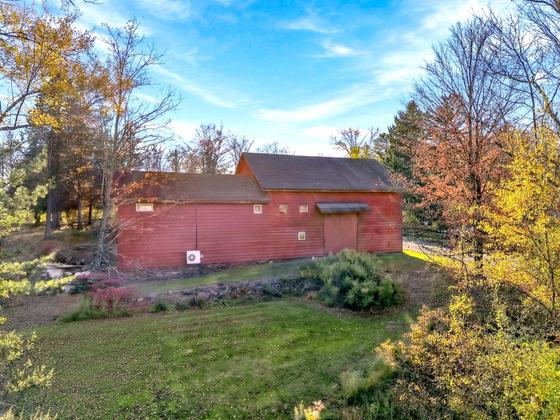
 Post-and-beam barn 8 photos
Saugerties, NY
c. 1885 Post-and-Beam Barn with Studios on 1+ Acre
Built c. 1885 · About 3,400 sq ft
$469,000 Barn with land
Listed Nov 2026
New Hampshire is one of the few states that gives barn owners a property-tax break to keep old barns standing.
No New Hampshire barns are listed right now. Most barns below are sold to be taken down and moved, so buyers often look in nearby states.
Post-and-beam barn 8 photos Saugerties, NY
Built c. 1885 · About 3,400 sq ft
Listed Nov 2026
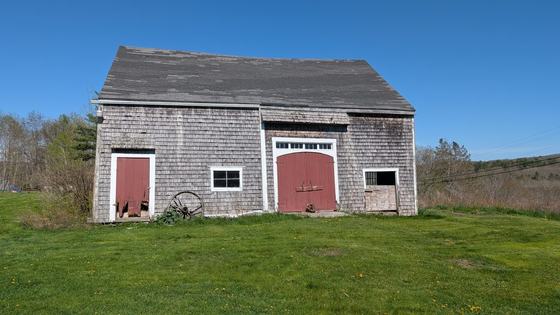 Gable barn 8 photos
Bucksport, ME
Built 1860 · About 42 ft x 34 ft
Listed May 2026
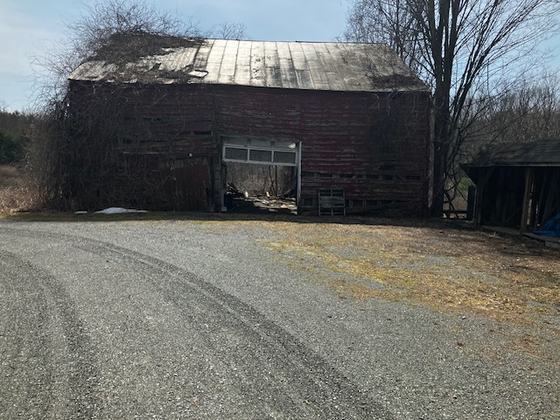 Post-and-beam barn 8 photos
Averill Park, NY
Over 120 years old · About 40 ft x 60 ft, 25 ft tall
Listed May 2026
New Hampshire farm real estate averaged $6,670 an acre in 2026, above the US average of $4,500, with cropland at $10,100 and pasture at $8,120. Land in the southern towns near Boston costs most; the North Country costs least.
Under state law RSA 79-D, towns can grant a 10-year discretionary preservation easement that lowers property tax on a historic barn or farm building whose owner agrees to maintain it, and repairs during the easement do not raise its assessment. Applications go to the town by April 15, and the New Hampshire Preservation Alliance publishes guidance. Ask whether a barn you are buying is already under one of these easements.
| Land type | New Hampshire | US average |
|---|---|---|
| Farm real estate (land and buildings) | $6,670 | $4,500 |
| Cropland | $10,100 | $6,020 |
| Pasture | $8,120 | $2,000 |
| Change in farm real estate, 2025 to 2026 | +2.6% | +3.4% |
Source: USDA NASS, Land Values 2026 Summary, released July 31, 2026. New Hampshire farm real estate is 48% above the US average.
The river towns of Grafton, Sullivan and Cheshire counties, such as Haverhill, Orford, Cornish and Walpole, have the state's best farmland and large dairy barns from the late 1800s and early 1900s.
Some farms still milk; many barns now store hay or equipment or stand empty.
The older towns of Rockingham, Strafford and Merrimack counties, such as Stratham, Canterbury and Hopkinton, have English barns and connected farmsteads joining house and barn. Canterbury Shaker Village preserves a group of Shaker farm buildings.
This is the most expensive part of the state, and many old farms have become country homes.
Many hill farms in central and northern New Hampshire were abandoned in the 1800s as farmers moved west, and the forest has grown back over their stone walls. The barns that survive, in Belknap, Carroll and Coos counties, are often on remote roads.
The North Country around Lancaster and Colebrook has the state's cheapest farmland.
Our old barn inspection checklist covers the rest, and the guide to moving an old barn explains the costs if you plan to take one down and re-erect it.
Restoring a listed barn for business use may qualify for the 20% federal historic tax credit; see our barn tax credit guide.
Yes. Under RSA 79-D, towns can grant a 10-year preservation easement that reduces property tax on a historic barn whose owner agrees to maintain it. Apply to the town by April 15.
Not while it is under an RSA 79-D easement: maintenance and repairs during the easement do not increase its assessed value.
New Hampshire farm real estate averaged $6,670 an acre in 2026, according to USDA. The North Country costs much less than the southern towns.
List your New Hampshire barn on OldBarnsForSale.net for free and reach buyers looking for old barns.
List Your Barn