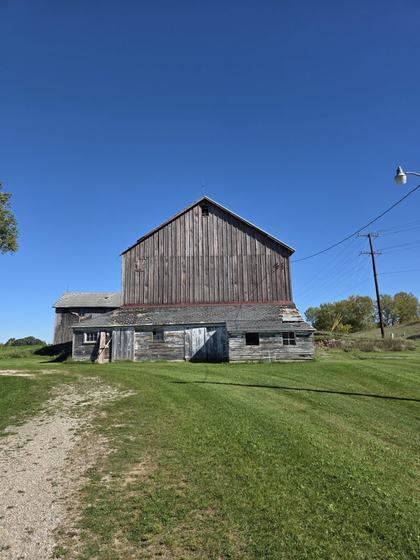
 Timber-frame barn 8 photos
Shiocton, WI
Late-1800s Timber-Frame Barn with Stone Foundation
Built late 1800s
Make an offer Barn to move
Listed Oct 2026
Nebraska's old barns are mostly frame barns from the settlement era, from eastern grain farms to Sandhills cattle ranches.
No Nebraska barns are listed right now. Most barns below are sold to be taken down and moved, so buyers often look in nearby states.
Timber-frame barn 8 photos Shiocton, WI
Built late 1800s
Listed Oct 2026
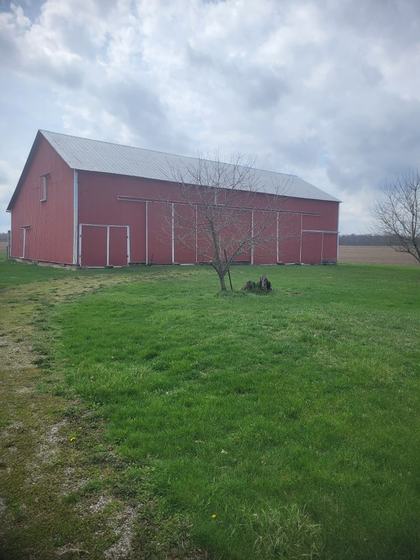 Timber-frame barn 8 photos
Van Wert, OH
Built 1867
Listed Jul 2026
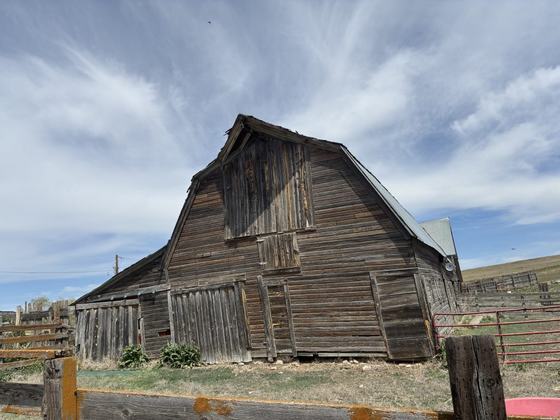 Gambrel cattle barn 8 photos
Box Elder, SD
Listed May 2026
Nebraska farm real estate averaged $4,400 an acre in 2026, just under the US average of $4,500. Cropland averaged $6,960, but pasture, which covers the huge Sandhills, averaged only $1,590 an acre.
Early homesteaders on the treeless plains built sod houses and sod barns, few of which survive; most old barns for sale are frame barns from the 1880s to the 1920s. Families who have kept land for a century are honored with Aksarben Pioneer Farm awards (100 years) and Heritage Farm awards (150 years).
| Land type | Nebraska | US average |
|---|---|---|
| Farm real estate (land and buildings) | $4,400 | $4,500 |
| Cropland | $6,960 | $6,020 |
| Pasture | $1,590 | $2,000 |
| Change in farm real estate, 2025 to 2026 | +3.5% | +3.4% |
Source: USDA NASS, Land Values 2026 Summary, released July 31, 2026. Nebraska farm real estate is 2% below the US average.
The counties along the Missouri River, such as Cass, Otoe, Washington and Dodge, were settled from the 1850s and have the state's oldest barns. Czech and German settlers farmed much of the area; Saline County around Wilber is a center of Czech heritage.
Land near Omaha and Lincoln costs more; farther west it stays near farm value.
The Platte River valley through Hall, Buffalo and Dawson counties followed the route of the Oregon Trail and the Union Pacific, and its irrigated farms have large hay and livestock barns.
Irrigated cropland here is valuable, so unused barns are often offered for removal.
The grass-covered dunes of the Sandhills, in Cherry, Custer, Blaine and Grant counties, are cattle ranch country. Custer County is famous for the photographs Solomon Butcher took of homesteaders and their sod houses in the 1880s and 1890s.
Ranches here sell as large units, and pasture is cheap per acre.
Our old barn inspection checklist covers the rest, and the guide to moving an old barn explains the costs if you plan to take one down and re-erect it.
Restoring a listed barn for business use may qualify for the 20% federal historic tax credit; see our barn tax credit guide.
Almost never. Sod barns were built by early homesteaders but were short-lived, and very few survive. Most old Nebraska barns for sale are frame barns from the 1880s to the 1920s.
Nebraska farm real estate averaged $4,400 an acre in 2026, according to USDA, with cropland at $6,960 and Sandhills pasture far cheaper at $1,590.
A farm held by one family for at least 100 years, recognized by the Aksarben Foundation with the Nebraska Farm Bureau and county fairs. Heritage Farms have been in the family 150 years.
List your Nebraska barn on OldBarnsForSale.net for free and reach buyers looking for old barns.
List Your Barn