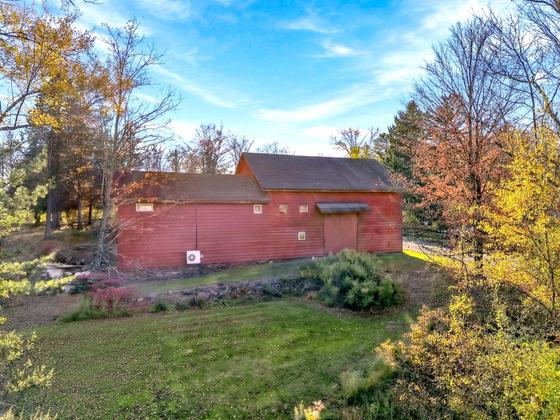
 Post-and-beam barn 8 photos
Saugerties, NY
c. 1885 Post-and-Beam Barn with Studios on 1+ Acre
Built c. 1885 · About 3,400 sq ft
$469,000 Barn with land
Listed Nov 2026
New York has some of the oldest barns in the country, from 18th-century Dutch barns in the Hudson Valley to the big dairy barns of the North Country.
Barns posted by their owners, newest first. Most are sold to be taken down and moved. Click a barn for its photos, size, age and the seller's terms.
Post-and-beam barn 8 photos Saugerties, NY
Built c. 1885 · About 3,400 sq ft
Listed Nov 2026
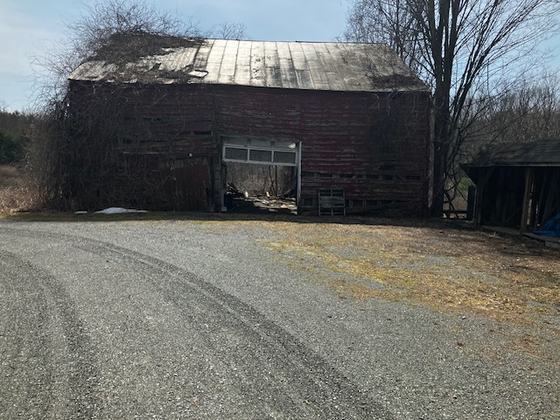 Post-and-beam barn 8 photos
Averill Park, NY
Over 120 years old · About 40 ft x 60 ft, 25 ft tall
Listed May 2026
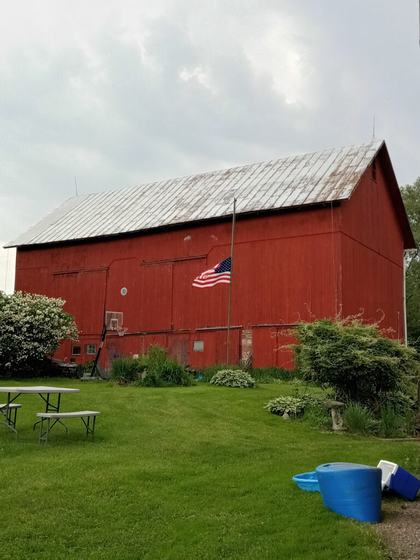 Bank barn
Moravia, NY
Built 1800s · 40 ft x 80 ft
Listed Aug 2025 Older listing
New York farm real estate averaged $4,500 an acre in 2026, level with the US average and up 4.7% in a year. That average spans everything from expensive land in the Hudson Valley within reach of New York City to some of the cheapest farmland in the Northeast in the North Country and Southern Tier.
New York also gives barn owners a reason to restore rather than demolish. The state's historic barn rehabilitation credit is worth 25% of qualified rehabilitation spending (at least $5,000) on a barn built before 1946 and originally used for farming, as long as the project does not turn the barn into a home. The State Parks Division for Historic Preservation reviews the application.
| Land type | New York | US average |
|---|---|---|
| Farm real estate (land and buildings) | $4,500 | $4,500 |
| Cropland | $4,150 | $6,020 |
| Pasture | $2,040 | $2,000 |
| Change in farm real estate, 2025 to 2026 | +4.7% | +3.4% |
Source: USDA NASS, Land Values 2026 Summary, released July 31, 2026. New York farm real estate is level with the US average.
The Hudson and Mohawk valleys hold most of America's surviving New World Dutch barns: broad, nearly square barns under a steep gable roof with wagon doors in the gable ends and massive H-shaped anchor-beam frames inside. Most surviving examples date from the mid-1700s to the early 1800s.
These barns are prized, and the Hudson Valley's second-home market makes them expensive when they come with land. They also turn up for sale as frames to be taken down and re-erected elsewhere.
Settled after the Revolution, the Finger Lakes and central New York filled with English barns and, from the mid-1800s, bank barns built into hillsides with stables below and hay above. Many were enlarged or joined together as the region turned to dairying.
Prices are moderate, and barns here often come with a farmhouse and 10 to 100 acres. Cayuga, Cortland and Tompkins counties have many such farms, and wineries and event venues have restored a number of barns around the lakes.
St. Lawrence, Jefferson and Lewis counties in the North Country, and the dairy counties of western New York such as Wyoming and Chautauqua, have large gambrel and gable dairy barns from the late 1800s and early 1900s, many on farms that stopped milking decades ago.
Farmland here is among the cheapest in the Northeast, and old dairy barns are often offered with the farm or for removal. Heavy snow loads mean the roof and the mow floor need close checking.
Our old barn inspection checklist covers the rest, and the guide to moving an old barn explains the costs if you plan to take one down and re-erect it.
Restoring a listed barn for business use may qualify for the 20% federal historic tax credit; see our barn tax credit guide.
Yes. New York's historic barn rehabilitation credit is 25% of qualified rehabilitation spending of at least $5,000 on a barn built before 1946 and originally used for farming. The project may not convert the barn into a home.
Most surviving New World Dutch barns are in the Hudson and Mohawk valleys and parts of northern New Jersey. They come up with farms in Ulster, Columbia and Schoharie counties, and as frames sold for re-erection by barn salvage companies.
New York farm real estate averaged $4,500 an acre in 2026, according to USDA. Hudson Valley land costs far more than that, and farms in the North Country and Southern Tier usually cost less.
List your New York barn on OldBarnsForSale.net for free and reach buyers looking for old barns.
List Your Barn