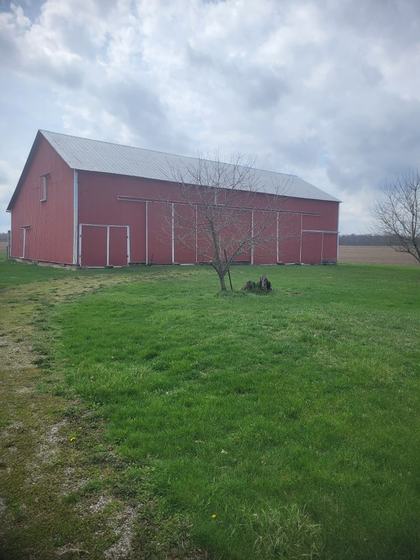
 Timber-frame barn 8 photos
Van Wert, OH
1867 Hand-Hewn Barn, Buyer Hauls Everything
Built 1867
$25,000 Barn to move
Listed Jul 2026
Ohio has a huge stock of 19th-century barns, from bank barns in Amish Country to the big gambrel barns of the drained Black Swamp.
Barns posted by their owners, newest first. Most are sold to be taken down and moved. Click a barn for its photos, size, age and the seller's terms.
Timber-frame barn 8 photos Van Wert, OH
Built 1867
Listed Jul 2026
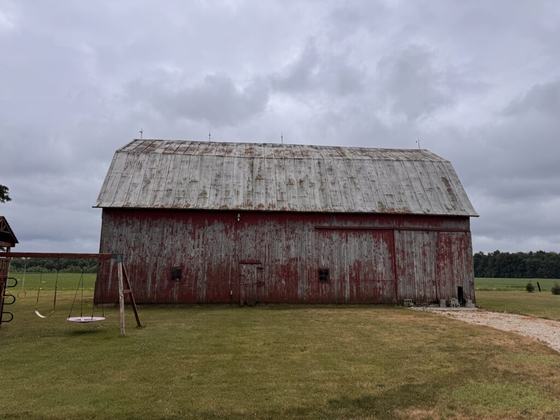 Dairy barn 8 photos
Van Wert, OH
About 100 years old · 64 ft x 36 ft, 38 ft tall
Listed Jul 2025 Older listing
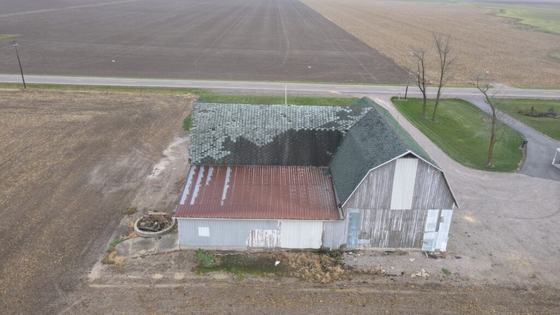 Gambrel hay barn 6 photos
Haviland, OH
Built 1870s-1900
Listed Jan 2025 Older listing
Ohio farm real estate averaged $9,650 an acre in 2026, the second highest in the Corn Belt after Iowa, with cropland at $10,100 an acre. That makes Ohio land with an old barn expensive in the corn country of the west, while pasture ($4,250 an acre) and the southeastern hills cost far less.
Because Ohio cropland is so valuable, many old barns are offered on their own to be taken down and moved so the ground can be farmed. Ohio barns are also part of its roadside culture: Mail Pouch tobacco advertisements painted on barns along old highways, and the Bicentennial barns painted with the state logo in every county between 1998 and 2003.
| Land type | Ohio | US average |
|---|---|---|
| Farm real estate (land and buildings) | $9,650 | $4,500 |
| Cropland | $10,100 | $6,020 |
| Pasture | $4,250 | $2,000 |
| Change in farm real estate, 2025 to 2026 | +3.2% | +3.4% |
Source: USDA NASS, Land Values 2026 Summary, released July 31, 2026. Ohio farm real estate is 114% above the US average.
Holmes County and its neighbors are home to one of the largest Amish communities in the world, and their bank barns, many with Swiss and German framing traditions, are kept in working order. New timber-frame barns are still raised here, and local Amish crews repair and move old ones.
Farms here rarely come up and sell quickly. Barns in the surrounding counties of Wayne, Stark and Tuscarawas are easier to find.
The Great Black Swamp south of Toledo was drained with ditches and tile in the late 1800s, and the farms that followed built large frame and gambrel barns from about 1880 to 1920. Van Wert, Paulding, Putnam, Henry and Wood counties are full of them, along with barns built for dairy and hay that are now surrounded by corn and soybeans.
Cropland here is valuable, so many of these barns are offered for removal. Several listings on this site, in Van Wert and Haviland, come from this region.
The Appalachian hills of Belmont, Monroe, Noble, Guernsey and Muskingum counties have smaller barns on hillside farms, and this is where Mail Pouch tobacco signs are most common along the old roads. Southern Ohio river counties such as Brown and Adams grew burley tobacco and still have air-cure tobacco barns.
Land is the cheapest in the state, but access, steep ground and gas and coal rights need checking.
Our old barn inspection checklist covers the rest, and the guide to moving an old barn explains the costs if you plan to take one down and re-erect it.
Restoring a listed barn for business use may qualify for the 20% federal historic tax credit; see our barn tax credit guide.
Ohio cropland averaged $10,100 an acre in 2026, according to USDA, so many farmers would rather sell an unused barn for removal than keep it on land they can farm.
Barns painted with advertisements for Mail Pouch chewing tobacco, made in nearby Wheeling, West Virginia. Most of the painted barns are in eastern and southeastern Ohio and neighboring states.
Friends of Ohio Barns connects owners with repair specialists and runs barn surveys, and Amish crews in Holmes County repair and move timber-frame barns.
List your Ohio barn on OldBarnsForSale.net for free and reach buyers looking for old barns.
List Your Barn